

by Ryan Ponquett, Lead Scientist, Maltento, South Africa
For biological organisms, eating is essential for sustenance and survival. Taste acts as a mechanism to identify safe or harmful food. Humans have receptors for sweet, salty, sour, umami, kokumi, and bitter tastes, with new discoveries continually expanding our understanding. While we share similar evolutionary benefits in taste, personal preferences vary due to biological, social, and cultural influences.
Food is more than sustenance for humans—it is tied to culture and pleasure. Social cues from early childhood shape what we enjoy and tolerate, influencing distinct culinary practices. For example, seafaring cultures favour fish, while alcohol appreciation often begins with social pressure and evolves into personal preference. These factors highlight how culture and biology interact to shape taste.
The complexity of human taste also extends to the textural qualities of food. Some foods, like marmite, polarise opinion due to how individuals perceive and experience taste and texture. Food preferences are further shaped by childhood experiences, social influences, and cultural norms, all of which create a tapestry of individualised taste profiles.


Gustatory cortex and memory
Though food remains chemically the same, its perception is subjective due to individual brain interpretation. The gustatory cortex, part of the cerebral cortex, processes taste signals from the tongue and integrates them with inputs like memories and sensory cues. For instance, a bad experience with shellfish can result in a lasting aversion, reinforced by memory and sensory association.
Social and cultural influences also shape taste, piggybacking on our memories of shared meals. Beyond taste, visual presentation and aroma enhance the experience, with these sensory inputs reinforcing preferences over time. Even subtle influences, such as peer expectations or celebratory rituals, become tied to how we perceive certain foods.
Dogs and their sense of taste
Dogs also process taste through their gustatory cortex, but their sensory priorities differ. With only one-sixth the taste buds of humans, dogs perceive taste with less detail. Visual appeal plays a limited role because their vision is less precise. Instead, smell dominates their sensory experience.
A dog’s nose is 1000 to 10,000 times more sensitive than a human’s, depending on the breed. While humans discern subtle flavours, dogs can detect minute differences in food components. Their sense of smell allows them to overcome aversions humans may have, as they identify the edible elements in substances, we find unappealing.
Dogs’ sense of smell is integral to their taste perception. For example, they associate visual cues like food bowls with mealtime but rely on their noses to discern flavours. This explains why dogs can enjoy food humans find off-putting—they detect the underlying scents rather than focusing on visual presentation or initial impressions.
Importance of nutrition for dogs
Smell and taste are closely linked for dogs, making aroma a key factor in their food preferences. Beyond sensory inputs, dogs’ instincts drive them to choose foods that meet their nutritional needs, focusing on protein, fat, and carbohydrates. These macronutrients provide energy and structural support for their biological systems.
Dogs, like humans, have an evolutionary imperative to seek out the nutrients they require. For instance, a dog craving salt when its electrolytes are low mirrors human behaviour. Their eating habits are informed by both their biology and their interactions with humans, which have shaped their dietary preferences over generations.
Challenges in meat production
As global meat consumption rises, so does pressure on natural resources. Beef production, for instance, requires vast land and water, with one kg of beef consuming 15,000 litres of water. The meat industry also contributes significantly to greenhouse gas emissions, with livestock methane accounting for seven to eighteen percent of emissions.
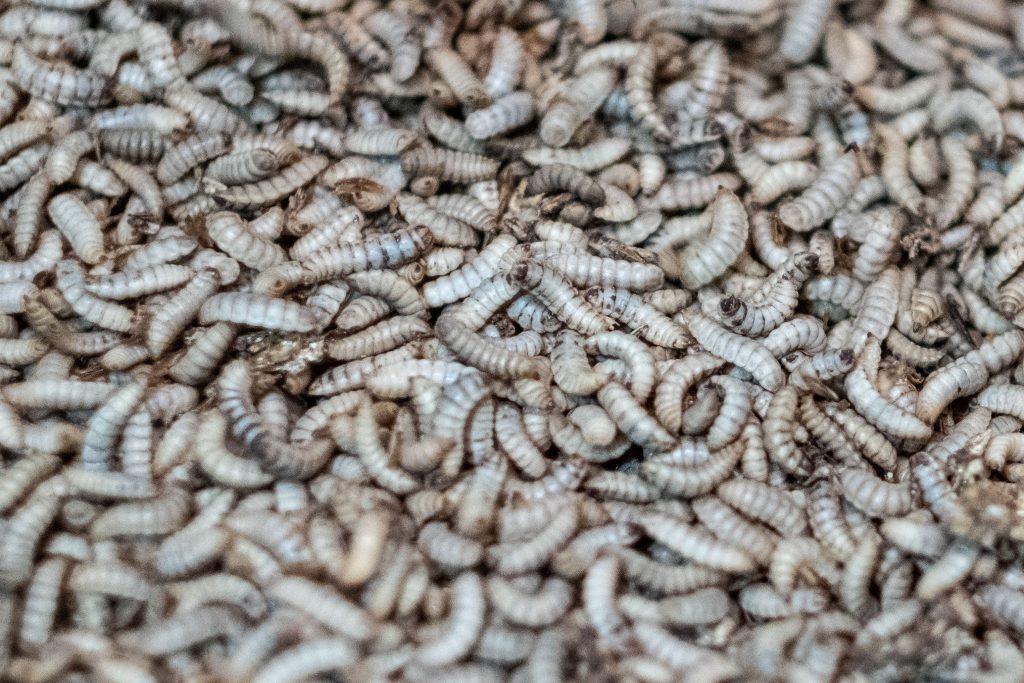
To address these challenges, sustainable protein sources like insects are gaining attention. Black soldier flies are rich in essential nutrients such as calcium, iron, magnesium, and potassium. Their protein content, ranging from 33–63 percent, matches or exceeds soy feed and requires fewer resources to produce. Additionally, black soldier flies can process waste, making them an eco-friendly protein source.
Sustainable alternatives
Black soldier flies are not only nutrient-dense but also highly sustainable. Farming these insects requires less land and water than traditional livestock while producing fewer greenhouse gas emissions. For example, black soldier flies can convert organic waste into high-protein feed, contributing to waste management while reducing environmental impact.
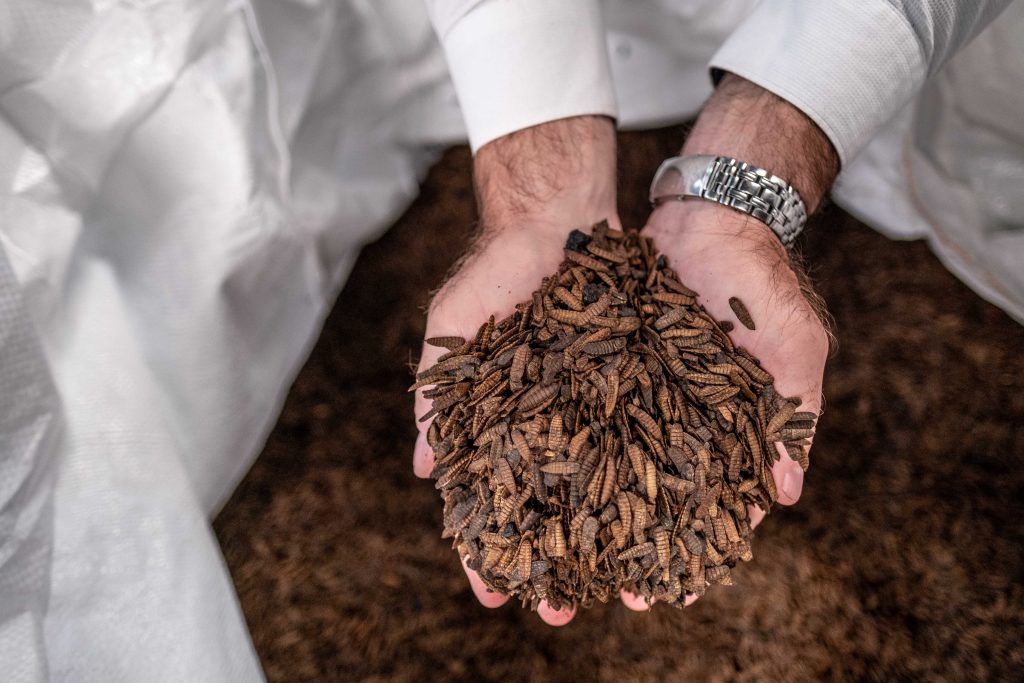
Insects like black soldier flies are already used in livestock feed, demonstrating their potential as a scalable protein source. Their amino acid profile, rich in leucine, lysine, and valine, makes them a superior alternative to traditional feeds like soy. By incorporating these insects into petfood, the industry can reduce its reliance on resource-intensive meat production.
Role of the Maillard reaction
While insects like black soldier flies are nutritionally suitable for dog food, they must also appeal to dogs’ senses. This is where the Maillard reaction comes in. This chemical process, which occurs when amino acids and sugars are heated, creates complex flavours and aromas that make food appetising. The Maillard reaction enhances the appeal of alternative proteins, making them more palatable to dogs.
The Maillard reaction also reflects the humanisation of petfood. Dogs, socialised to live with humans, share preferences influenced by human food preparation. Food scientists use this knowledge to develop petfood that appeals to both dogs and their owners.
Food science innovations
Standardised dog food replaced table scraps in the mid-20th century, providing dogs with consistent, balanced diets. Today, food scientists continue to innovate, creating sustainable, appealing options for dogs while addressing environmental concerns.
By blending science with culinary artistry, scientists use processes like the Maillard reaction to transform alternative proteins into nutritious, appealing meals. These innovations meet dogs’ dietary needs while reducing the environmental impact of traditional meat production.
Sustainable future for pet nutrition
As global resources face increasing strain, sustainable protein sources like black soldier flies offer a promising solution. By combining scientific research with an understanding of canine biology, the petfood industry can create products that are eco-friendly and appealing to dogs. This represents a future where science and sustainability work together to benefit pets and the planet.
Published in the February 2025 issue of International Petfood.