


by Dr Maygane Ronsmans, Product Manager Animal Nutrition, Beneo, Belgium
Gut health and fibres have become big business in both human and animal nutrition. However, not all fibres have been created equal. This article discusses the importance of using scientifically proven prebiotic ingredients to tap into this trend with petfood products that promote gut health.
Over the past years, digestive health has gained significant attention in human nutrition. The recent rise of the ‘fibremaxxing’ trend on social media has further accelerated a shift towards fibre-enriched foods and positioned gut health as a central focus amongst consumers. Given the growing understanding of the key role of the gut microbiome for overall health, we’re increasingly seeing this extend into the realm of animal nutrition as well. To explore this further, Beneo conducted research on the importance of digestive health amongst pet owners and perception of ingredients to support it. The findings reveal key insights that highlight the opportunity for prebiotic fibres from chicory root in petfood.
Digestive health goes mainstream
The growing understanding of the positive impact of digestive health, even beyond the gut, is increasingly shaping people’s petfood purchasing, with claims around supporting a healthy and balanced digestive system considered particularly appealing for pet owners. Survey data shows that more than eight in 10 dog and cat owners agree that the digestive system of their pet has a positive influence on their physical well-being, demonstrating the link between digestive and long-term health is now well-established in their minds. As a result, many pet owners are taking preventative measures to help maintain the digestive health of their pets, with 40 percent giving their pets food that feature claims to support digestive health, with a similar proportion opting for fibre-rich foods.
When it comes to ingredients that support digestive health, around nine in 10 pet owners have heard of prebiotics, among which approximately half further associate them with gut health and have a relatively good understanding of the benefits they can offer. Even though pet owners are unlikely to have heard of specific ingredient names, almost one quarter associate chicory inulin with gut health, highlighting the positive halo effect natural ingredient names are having on pet owners. While awareness is growing, there is certainly more to be done to educate the one in four pet owners who have heard of prebiotics but are unaware of the benefits. This is especially important given less than half of pet owners are aware of the wider benefits they offer beyond gut health, such as blood glucose and weight management or the support of bone condition.

Importance of prebiotic fibre
Even though the link between a pet’s digestive health and their overall health has been made by pet owners, it’s important to note that not all fibres are the same. At present, a wide range of fibres can be used in dog foods for example. These include insoluble fibre sources such as cellulose or blends of insoluble and soluble fibres, which include sugar beet pulp and wheat bran. Based on the fibre type, they behave differently in a pet’s digestive system significantly. This influences their potential digestive effects. A special category is the very exclusive and limited group of prebiotic fibres that includes inulin-type fructans.
While soluble fibres are also dissolved and fermented in the colon, only prebiotic fibre sources like inulin-type fructans specifically feed beneficial gut bacteria when they reach the colon. Prebiotics are ‘a substrate that is selectively utilised by host microorganisms conferring a health benefit”. Both the criteria for selectively feeding beneficial bacteria and the resulting health benefit need to be fulfilled for an ingredient to be demonstrated as a prebiotic. In comparison to other fermentable fibres, chicory inulin and oligofructose are natural prebiotics and suitable for many animals like cats and dogs, supporting a healthy microbiota along with other health benefits.
Products masquerading as prebiotic
With a rising number of pet owners interested in prebiotics, this has led to some suppliers making unfounded ‘prebiotic’ claims for their products. In the petfood industry at present, there are a profusion of products that are being promoted as prebiotic but in fact don’t meet the scientific criteria, such as fermentable fibres-containing ingredients. Inulin-type fructans, including Beneo’s natural Orafti® Inulin and Oligofructose, are the most extensively researched prebiotics that have been scientifically proven to selectively stimulate the growth of good bacteria and deliver related health benefits in humans – with corresponding evidence in pets as well. This is particularly key given more than four in five dog and cat owners expect petfood producers to reformulate products with health claims that have been scientifically proven. With almost three in four pet owners willing to pay a premium price for pet foods with scientifically proven ingredients, this opens up significant opportunities for pet producers.
Scientifically proven prebiotic effect
Orafti® Inulin and Oligofructose have been studied extensively for over two decades both in human and animal nutrition, and the scientific foundation for their prebiotic effect is strong. In human nutrition, a systematic review with meta-analyses, considered the strongest methodology in the hierarchy of scientific evidence, confirmed the prebiotic effect of inulin-type fructans sourced from the chicory root. In dogs and cats, studies have shown that the selective fermentation of chicory inulin and oligofructose by specific beneficial bacteria leads to an increase in short-chain fatty acid (SCFA) production and is linked with nutritional benefits for pets that go beyond the gut. For instance, as part of their prebiotic effect and benefit on digestive health, chicory inulin and oligofructose support calcium and mineral absorption in dogs. Further research has shown that they can also support blood sugar management in dogs, as well as weight management in both dogs and cats.
Absorption of minerals and bone health
The absorption of minerals is essential to an animal’s growth and bone strength. From their selective fermentation which produces SCFA, inulin-type fructans reduce the luminal pH and nurture the intestinal mucosa with butyrate, thereby improving calcium absorption in the gut. Studies with oligofructose have demonstrated increased mineral uptake in dogs, and among others calcium, therefore supporting bone health.
Supporting weight and blood sugar management
Being overweight or obese is common in companion animals, and according to a 2024 report from the UK Pet Food trade association, 50 percent of dogs and 43 percent of cats in the UK are classified as such. As well as supporting a pet’s intestinal health, the inulin-type fructans also show positive effects related to weight management in pets and blood sugar management in dogs. First studies show that including Orafti® Inulin and Oligofructose in a pet’s diet can curb their appetite, improve satiety and hence decrease voluntary food intake. In doing so, they help to maintain the healthy condition of a pet’s body. Additionally, since inulin-type fructans are non-digestible carbohydrates and dietary fibre, they do not trigger a rise in postprandial blood glucose or insulin concentrations. Hence, they support blood sugar management in dogs. What’s more, studies in dogs have shown that feeding them with chicory prebiotics can allow for a lower blood sugar response after a meal and this benefit can extend to a subsequent meal taken hours later, even if that meal doesn’t include chicory inulin or oligofructose; which is called the second meal effect.
Support of renal health in cats
Cats are sensitive to kidney disorders as they age, with one indicator being elevated levels of blood urea nitrogen. Typically, in healthy animals the liver produces urea to clean up the nitrogen from the blood, which then travels to the kidneys through the bloodstream, where it is filtered and excreted in the urine. In ageing cats, this renal metabolism might become less effective and nutritional solutions, amongst other things, could be supportive. Inulin-type fructans have been shown to induce a shift in nitrogen metabolism, through increased nitrogen excretion via the feces and decreased clearance in the urine, therefore representing a potentially valuable nutritional support for renal function.
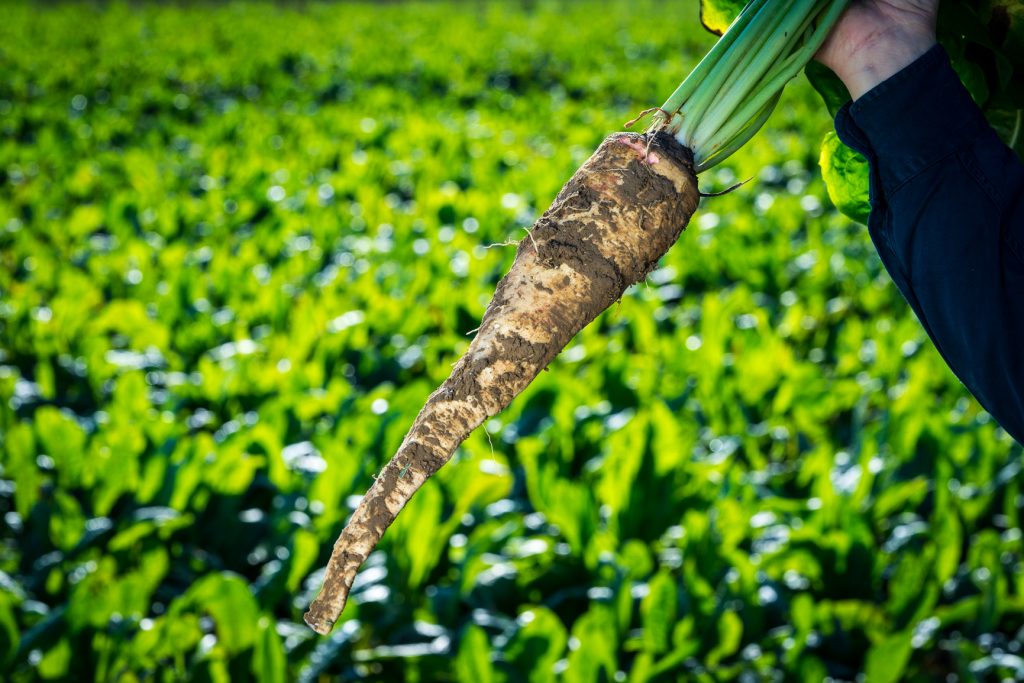
Chicory inulin-type fructans are well placed for both cat and dog food product development that delivers natural support to a pet’s intestinal health. Orafti® Inulin and Oligofructose are produced from non-GMO chicory roots, which are locally sourced from farmers close to the production sites. They are processed in two state-of-the-art plants in Belgium and Chile, i.e., in the northern and southern hemisphere, both of which have food and feed certification. Beneo can therefore ensure secure supply of these functional dietary fibres that meet the highest safety and quality standards. They are acknowledged as feed materials in the EU and some of them by the AAFCO in the US. They can be qualified as natural ingredients and used in both dry and wet pet foods, or in snacks. The company offers a customisable range of chicory prebiotics that is suitable for a wide range of life stages and animals.
Natural, recognisable, and health-promoting ingredients are key drivers to petfood purchasing. With more owners making label-based choices and seeking out scientifically proven health claims, Beneo’s chicory prebiotic ingredients are valuable assets that help manufacturers deliver quality petfood products with a range of benefits that appeal to pet parents.
For references, contact editorial@perendale.co.uk