


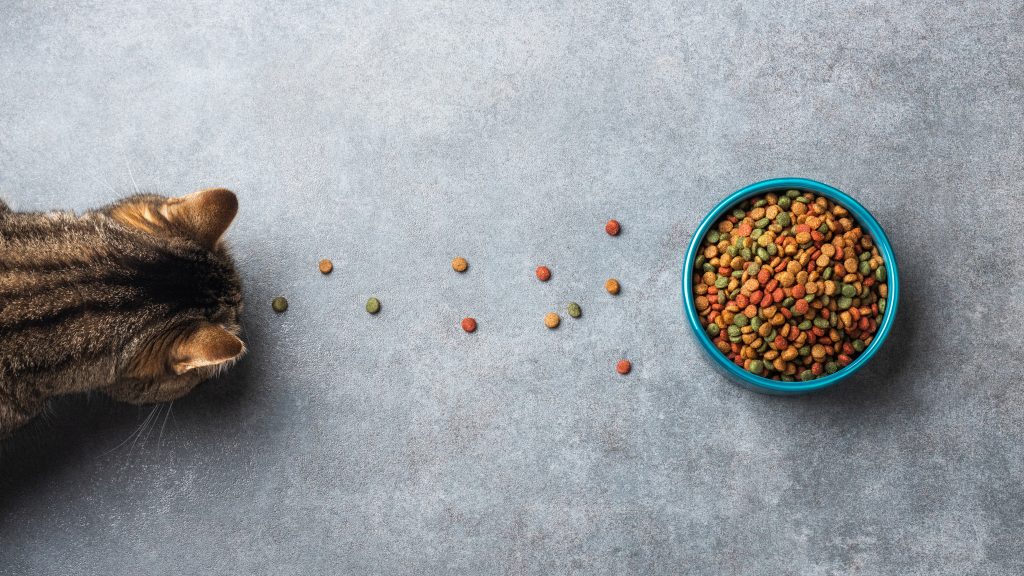
The global insect-based petfood market is emerging as a fast-growing segment within the pet care industry. Valued at an estimated US$1.4 billion in 2026, it is projected to reach US$2.5 billion by 2033, expanding at a compound annual growth rate (CAGR) of 8.6 percent over the period. Growth is being driven by increasing demand for sustainable, nutritious and hypoallergenic alternatives to conventional petfood, alongside rising environmental awareness and the continued trend of pet humanisation.
Insects such as black soldier fly larvae, mealworms and crickets are recognised for their high protein content, essential amino acids and beneficial fats, making them suitable for diets focused on both nutrition and sustainability. Compared with traditional meat sources, insect protein production requires significantly less land, water and feed, contributing to lower environmental impact and supporting broader sustainability goals.
Challenges and market restraints
Despite this momentum, consumer perception remains a key barrier. Some pet owners associate insects with uncleanliness, creating psychological and cultural resistance to adoption. In regions where entomophagy is uncommon, even informed consumers may be reluctant to include insect-based products in pet diets. This limits market penetration, particularly in mainstream retail, and increases the need for education, adding to operational costs. As a result, uptake remains concentrated in premium and niche segments where consumers are more open to alternative proteins.
Regulatory complexity also affects market growth. Varying and evolving frameworks across regions present challenges for manufacturers. In Europe, approvals from the European Food Safety Authority (EFSA) can take up to 24 months for novel products, delaying market entry. In the United States, differences at state level can increase compliance costs by 20–35 percent, with a greater impact on smaller companies. These fragmented systems can slow product launches, create pricing pressures and limit scalability, particularly for emerging businesses.
Opportunities in premium pet segments
The market presents notable opportunities in premium categories, particularly in hypoallergenic petfood for cats. The cat food segment is expected to see the fastest growth, driven by increasing awareness of food sensitivities and demand for specialised, nutrient-rich diets. Insect proteins, with their low allergenicity, offer an alternative to conventional proteins, enabling pet owners to manage dietary sensitivities while maintaining nutritional value. Positive consumer experiences and regulatory progress are supporting adoption in these segments.
Technological developments in insect farming are further supporting growth. Advances such as AI-assisted production, improved breeding techniques and scalable systems for species including black soldier fly larvae, crickets and mealworms are helping to increase efficiency and reduce costs. Waste-to-protein models can also reduce resource use by up to 80 percent, strengthening the sustainability profile of insect-based petfood.