


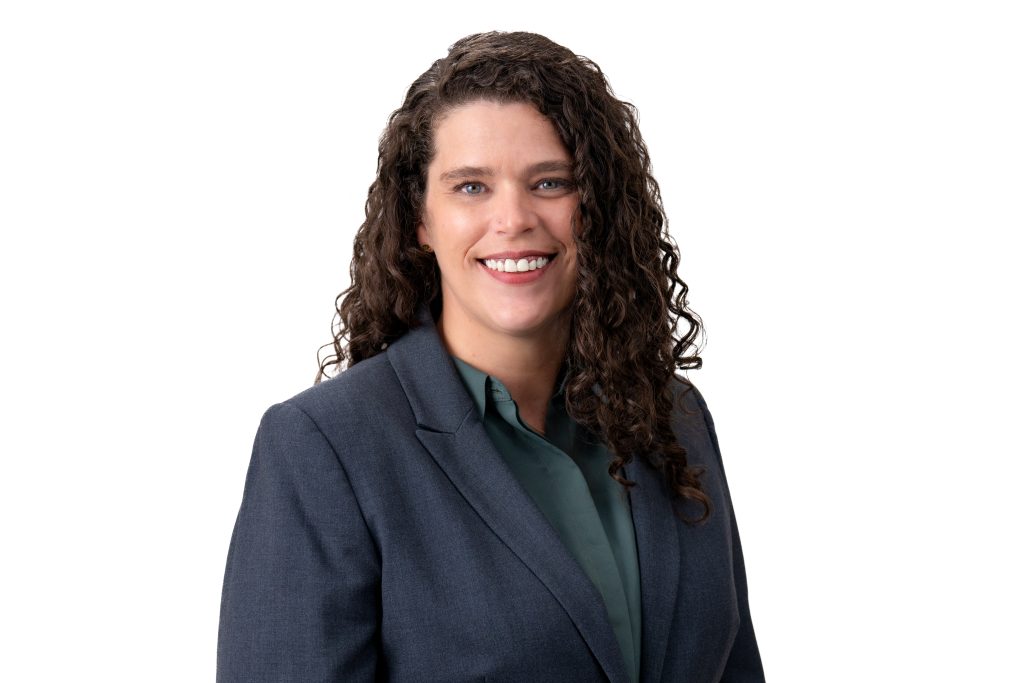
Megan Fulmer is the director of import and export programs at Darling Ingredients, the largest publicly traded company turning animal by-products and food waste into sustainable products and a leading producer of renewable energy. Ms. Fulmer joined the company in 2018 as manager of import and export programs and was promoted to director in January of 2023. In this role, she directs the company’s work with regulatory agencies throughout the world, including the USDA and FDA, facilitating the movement of numerous products in and out of the USA and Canada, and she oversees effective compliance programs supporting international trade activities. Prior to Darling Ingredients, she served as corporate regulatory manager at The International Companies; and quality assurance manager at Pilgrim’s Pride Corporation; and she held numerous regulatory affairs roles at WellPet. Ms. Fulmer was named 2023 American Feed Industry Association Member of the Year, marking the second time she received this prestigious honour.
You have a rich career in the industry. How did you first get interested in the feed industry?
I have always been an animal lover. Early in my career worked as a veterinary technician and on horse farms, where I was exposed to the important role the feed industry played in providing animal nutrition. By chance, I had the opportunity to work in the agricultural feed/pet food industry where I quickly realised that I enjoyed the intricacies of regulatory compliance and labelling, and the complexity of regulatory structure and oversight. I was and continue to be fascinated by the complexity and varied interpretations of regulation, and it is an area in which I thrive. I have a deep appreciation for the industry, hold in high regard and promote every chance I can. In turn, it has provided me immense opportunity for continued learning and growth.
What are the major technological developments you witnessed recently in the animal feed and petfood industry.
The industry is constantly innovating and evolving to find new uses and processes, making it difficult to identify a specific major technological development. There are items that humans can’t and/or choose not to eat, but animals can and those items contain nutrients that help them sustain healthy body function. And when there are items that animals can’t or don’t eat, the industry has been able to find other use cases for those items, such as renewable energy, fertilizer or other industrial applications.
You were recently honoured with the AFIA Member of the year award. What contributions have you made to the profession that is most meaningful to you?
I have been lucky to work in numerous segments of the feed industry during my career. Every experience has contributed to my ability to develop a broad perspective and appreciation for how each niche of our industry impacts another and also appreciate the important role every facet has in realizing our common goals.
Where do you think the feed industry will be in 2050?
The feed industry is incredibly vast, complex and dynamic. It’s like a puzzle with endless pieces, each representing unique needs, requirements and perceptions that dictate how it adapts, grows and evolves. I believe the industry is constantly evolving as new, innovative technologies are developed through scientific research and collaboration, all with the goal to help meet global demand for the important feed and pet food products we produce and the various other industries we support.
What are the major issues the industry currently facing. How would you like to see them addressed?
With nearly two decades of experience in the industry, I have noticed that there is a lack of external understanding and appreciation around how the feed and pet food industry and how the food supply chain function independently and interconnectedly. This has, at times, resulted in misguided and/or unrealistic understanding of the industries, processes, product safety, product efficacy, regulatory requirements and more. At times, we even face these challenges within the industry, with one segment not understanding another and that can also lead to unrealistic expectations or even missing out on new, innovative opportunities – which is a real shame! The good news is that we are tackling this challenge head on in numerous ways, including industry association advocacy, specified training and seminars, consumer awareness initiatives and even the use of social media. While we are making strides within the industry, the need remains to increase education efforts externally, including to the general public. This said, I believe we are beginning to see the positive impact of the efforts today and that we will continue to see improvements in the future.
What are the sustainability based solutions Darling Ingredients offers?
At Darling Ingredients, sustainability is a critical element of the way we do business. We transform the unused into the invaluable. Over the past 140 years, this company has become the most important platform for extracting the hidden potential of our world’s resources and turning them into sustainable solutions for everyday life. We take what would typically be considered refuse and efficiently transform it into invaluable ingredients and in-demand products.
For example, In the meat production process, only about 50 percent of an animal makes it to a dinner plate. Keeping the other 50 percent out of landfills and incinerators requires innovative, sustainable solutions. Darling Ingredients creates those solutions, repurposing approximately 15 percent of the world’s meat industry waste into value-added products, including essential products like green energy, renewable diesel, collagen, fertilizer, animal proteins and fats, and pet food ingredients. Our innovative services not only prevent waste from entering landfills but also reduce waste-related emissions around the world.
We are always looking for ways to maximize resources and move the world to a more circular economy. With our unique skillset and scale, we make industries less wasteful and more sustainable. Being a leader in the business of circularity for more than 140 years has taught us many lessons. The greatest of which is this: the best way to protect nature is to act like nature.