


by Renaud Gautier, Development Manager, Petfood Business, Coveris, France
Before the tightening of environmental legislation, packaging manufacturers had considerable freedom to innovate with multi-material composites, optimising the functionality of each packaging. Today, recyclability has become a key consideration. The technical challenge is to develop a packaging that effectively preserves products while also conserving resources used in their manufacturing through improved end-of-life management.
Before the publication of the EU Packaging and Packaging Waste Regulation (PPWR) – Regulation (EU) 2025/40 – national guidelines varied considerably. For example, polypropylene, which was once considered non-recyclable in some markets, is now increasingly recognised as a valuable material stream within recycling systems. With harmonised recyclability standards currently being developed under Regulation (EU) 2025/40, Coveris is anticipating the broad direction of future requirements, not only in terms of material selection, but also regarding per- and polyfluoroalkyl substances (PFAS) and the incorporation of recycled plastic content.
“The overall direction of PPWR is clear: packaging will be increasingly regulated as a circular product system, not just as waste,” said Renaud Gautier, PetFood Business Development Manager at Coveris.

Designing for compliance
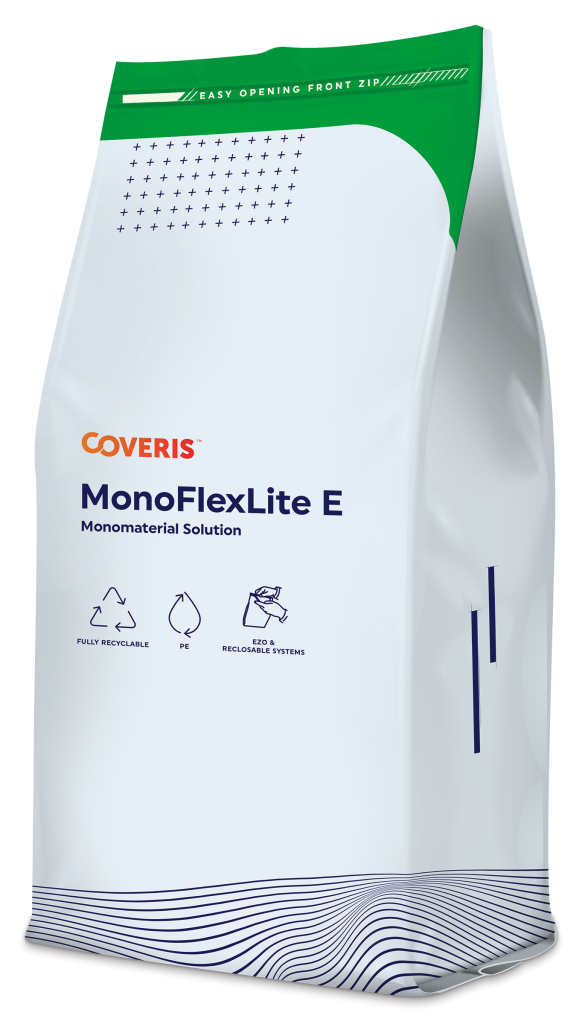
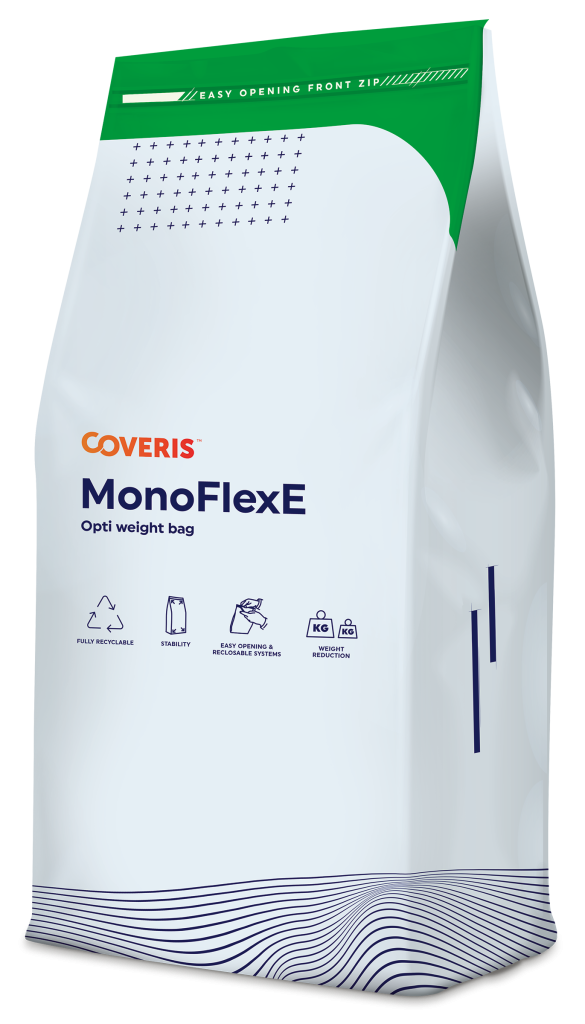
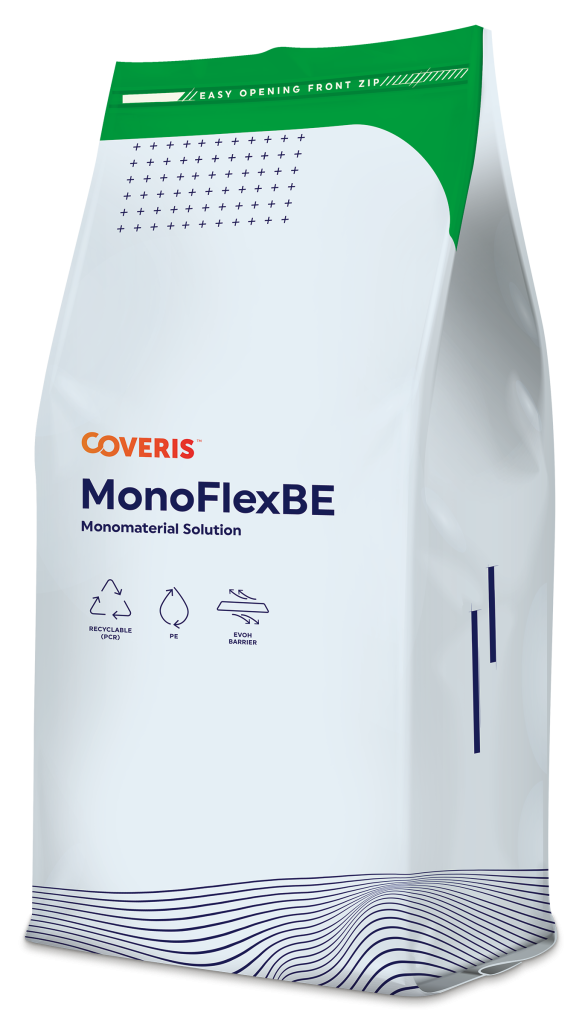
PPWR will affect the petfood market in several ways, including the transition toward monomaterial flexible packaging, investment in recyclable structures, integration of post-consumer recycled content (PCR) and stricter food-contact compliance requirements. For petfood brand owners, polyethylene (PE) for flexible pouches and polypropylene (PP) for rigid containers are among the key materials that can support these objectives, combining durability and compatibility in established recycling systems.
Under Article 6 of Regulation (EU) 2025/40, all packaging placed on the EU market will need to comply with design-for-recycling criteria by 2030, with recyclability at scale becoming a key compliance requirement from 2035 onward. This means that petfood packaging producers are increasingly moving toward mono-PE and mono-PP structures, while limiting the use of secondary materials or barrier layers to those compatible with established recycling streams. In addition, by 2030, all contact-sensitive packaging made from plastics other than PET will need to include minimum 10 percent PCR.
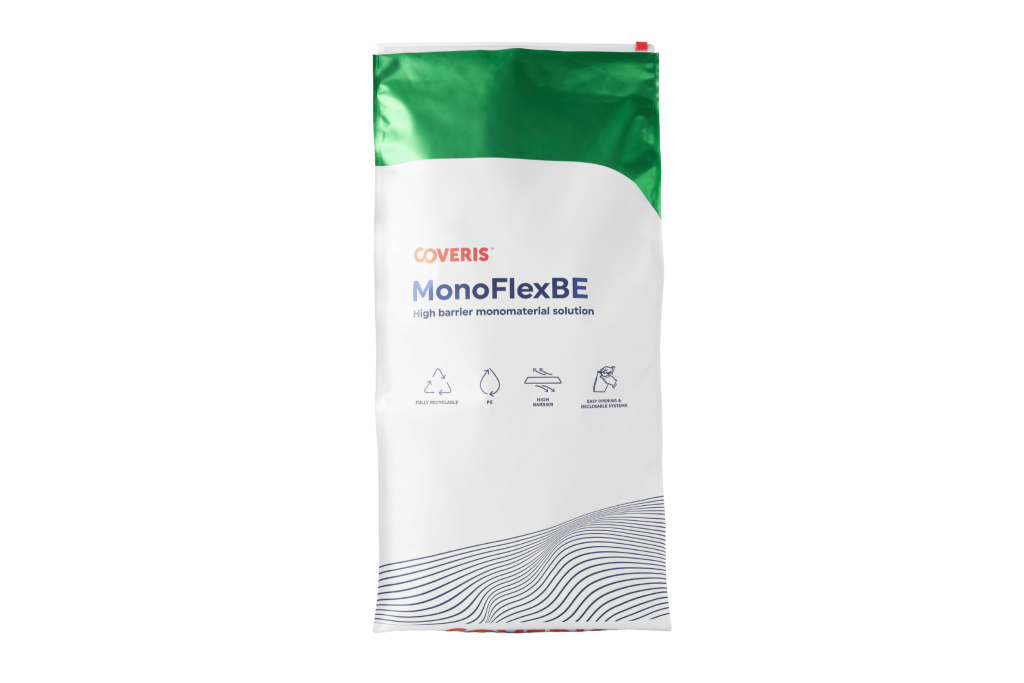
“While no fixed monomaterial polymer-content thresholds are yet defined in PPWR, current industry recyclability guidelines increasingly align around structures containing more than 90–95 percent dominant polymer content being considered mono-material compatible. Small percentages of barrier or functional layers may still be tolerated where they do not negatively affect recycling performance. The incorporation of PCR is also progressing, with certain mono-PE bags already including up to 50 percent of PCR,” emphasises Renaud Gautier.
Balancing recyclability and product protection
For petfood products requiring additional barrier protection, current industry guidelines often consider PE or PP structures containing EVOH (ethylene-vinyl alcohol) barrier layers below approximately five percent as compatible with existing recycling streams.
“There is still regulatory uncertainty regarding polyamide barriers, with ongoing discussions around their recyclability performance, which can vary significantly depending on the structure and coating technology used,” notes Renaud Gautier.
Certain inks, adhesives and complex barrier laminates may also negatively affect recycling performance if they are not specifically designed for compatibility with recycling processes.
“In the petfood industry, where marketing has significant decision-making power, it is sometimes difficult to ask companies to lower print quality expectations. However, PPWR is already encouraging the integration of eco-design principles earlier in product development, even before the detailed delegated acts and technical recyclability criteria are finalised in 2028,” he explains.
Under Article 6 and Annex II of Regulation (EU) 2025/40, packaging recyclability will ultimately be assessed through performance-based recyclability grades, which are expected to influence Extended Producer Responsibility (EPR) fees and long-term market access.

Preparing for a new era
One of the biggest upcoming changes introduced by PPWR concerns PFAS restrictions in food-contact packaging. PFAS (per- and polyfluoroalkyl substances) have historically been used for their resistance properties but are extremely persistent in the environment. As trace levels are now ubiquitous, claims of absolute absence can be difficult to substantiate. This is why the company uses the term ‘PFAS-free design’, meaning that no PFAS are intentionally added, materials are designed to meet current and future regulatory requirements, and communication remains transparent and scientifically sound.
From 12 August 2026, food-contact packaging placed on the EU market will need to comply with the PFAS restrictions introduced under Article 5 of Regulation (EU) 2025/40 and related implementing measures, regardless of where the packaging is manufactured. These provisions complement existing EU food-contact legislation, including Regulation (EC) No 1935/2004 on materials and articles intended to come into contact with food.
Although the United Kingdom is developing its own regulatory approach, many UK packaging manufacturers are aligning with EU PPWR and food-contact requirements to maintain access to EU markets.
PFAS has been identified as a strategic topic within the company for several years, reflecting the wider industry shift towards safer materials, increased transparency and long-term regulatory readiness. Rather than treating PFAS as a deadline-driven compliance issue, the company has integrated PFAS-free design principles into product development, manufacturing and customer collaboration on Group-level. By taking early action, the Group aims to support customers in understanding upcoming requirements, reducing regulatory uncertainty and preparing packaging portfolios for future access to EU and international markets.
“Today, Coveris can offer its full range of packaging solutions in PFAS-free design on request, supported by a clear roadmap towards a full Group-wide transition. This approach helps customers prepare for evolving regulatory expectations while making informed choices about future packaging specifications,” summarised Renaud Gautier.