

by Dr Yunior Acosta Aragon, Strategic Growth Manager, nu.biom Pet Nutrition, nu.ance Biotechnology, Switzerland
As pet owners become more conscious about nutrition, the focus on gut health is increasing. The microbiome, the ecosystem of bacteria in the digestive system, plays a key role in overall health. This has led to the growing interest in prebiotics, probiotics, and postbiotics. While probiotics (live bacteria) and prebiotics (fibre-based food for good bacteria) are well known, postbiotics are emerging as a powerful and stable alternative in pet nutrition.
Petfood manufacturers can harness the benefits of postbiotics to improve pet health, enhance product stability, and meet the growing demand for functional petfoods. This article explores what postbiotics are, their benefits, and how they can be incorporated into petfood formulations.


What are postbiotics?
Postbiotics are bioactive compounds produced during the fermentation of beneficial bacteria. Unlike probiotics, which contain live bacteria, postbiotics are made of inactivated microorganisms and their metabolic byproducts. This means they do not require refrigeration, are more stable in petfood, and eliminate the risk of bacterial overgrowth.
Postbiotics can include:
– Short-chain fatty acids (SCFAs), which support gut health
– Biologically active small-size peptides
– Enzymes that aid digestion
– Exopolysaccharides
– Plasmalogen
– Vitamins and amino acids that contribute to overall well-being
Because postbiotics do not contain live bacteria, they are a safe option for immunocompromised pets, young animals, and those with sensitive digestive systems.
Benefits of postbiotics in petfood
- Supporting gut health
A healthy gut microbiome is essential for proper digestion, nutrient absorption, and immune function. Postbiotics, particularly SCFAs like butyrate and acetate, nourish intestinal cells and maintain gut barrier integrity. This helps prevent diarrhoea, bloating, and other digestive issues.
- Enhancing immune support
At least 70 percent of a pet’s immune system resides in the gut. Postbiotics help regulate immune responses by reducing inflammation and stimulating protective immune cells. This can improve a pet’s ability to fight off infections and reduce allergic reactions.
- Anti-inflammatory and antioxidant properties
Chronic inflammation contributes to many pet diseases, including arthritis, skin disorders, and gastrointestinal issues. Postbiotics contain bioactive compounds that modulate inflammatory pathways and reduce oxidative stress, promoting long-term health.
- Improved skin and coat health
A well-balanced gut microbiome influences skin and coat health. Postbiotics help reduce inflammation linked to skin conditions such as allergies and dermatitis. Additionally, their contribution to nutrient absorption ensures pets receive essential vitamins and fatty acids for a shiny coat.
- Stress and anxiety management
The gut-brain axis links digestive health to mental well-being. Some postbiotics help produce neurotransmitters like serotonin, which regulate mood and stress responses. This can be beneficial for pets prone to anxiety, especially in stressful situations like travel or separation.
- Increased shelf stability
Unlike probiotics, postbiotics do not require special handling, refrigeration, or live bacterial viability. This makes them ideal for pet food formulations, ensuring consistent health benefits throughout a product’s shelf life.
Choosing the right postbiotic
- Understanding the source
Postbiotics should be derived from well-characterised probiotic strains. The bacterial source should be known and documented to ensure consistency and efficacy.
- Evaluating composition
Different postbiotics contain different bioactive compounds. Selecting the right composition based on specific health goals (gut health, immune support, skin health) is crucial for formulating targeted petfood products.
- Safety and regulatory compliance
Petfood manufacturers should choose postbiotics that meet safety and regulatory standards. Postbiotics should undergo rigorous testing to confirm their benefits and absence of harmful substances.
- Compatibility with other ingredients
Since postbiotics are stable, they can be easily incorporated into dry and wet petfoods. However, manufacturers should ensure they do not interact negatively with other functional ingredients.
Incorporating postbiotics into petfood
- Functional pet treats
Postbiotic-infused treats can serve as an easy way for pet owners to support their pet’s gut health. These can include biscuits, soft chews, or freeze-dried treats.
- Dry and wet petfood
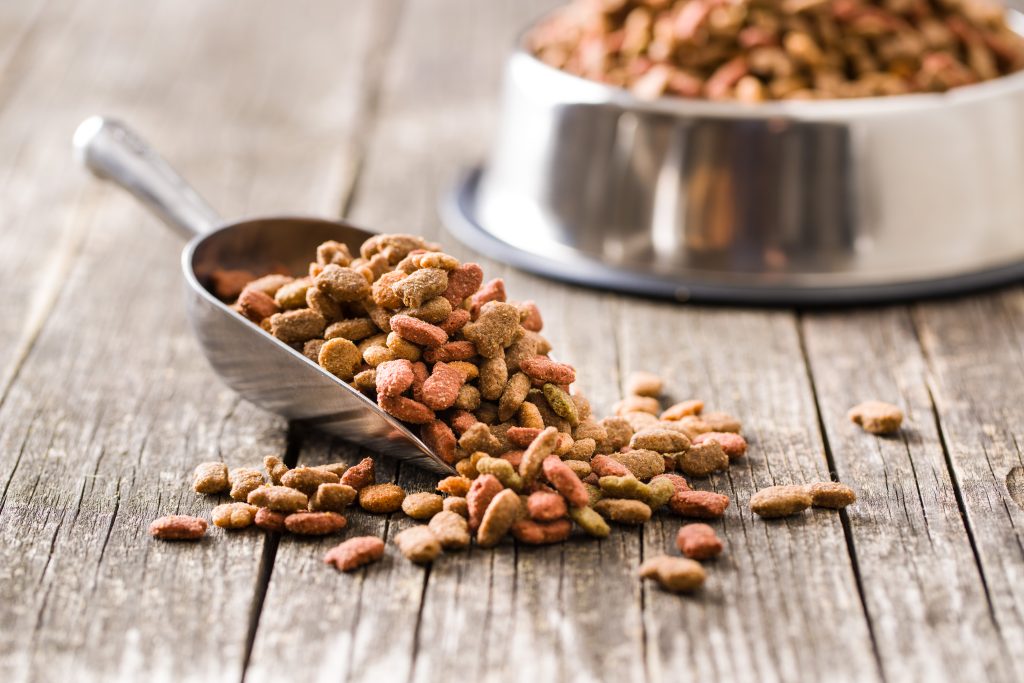
Postbiotics can be added to kibble or canned petfood, providing long-lasting health benefits without affecting taste or texture.
- Supplements
Postbiotics are available in powder or capsule form, allowing pet owners to add them to meals as needed. This offers flexibility in dosing based on pet needs.

Enhancing health & wellbeing
Postbiotics are a game-changer in pet nutrition, offering stability, safety, and scientifically backed health benefits. By incorporating postbiotics into petfood, manufacturers can enhance gut health, immune function, and overall wellbeing in pets. As demand for functional petfoods grows, postbiotics present a valuable opportunity for innovation in the industry.
Petfood manufacturers who embrace postbiotics will not only provide superior nutrition but also meet the evolving needs of health-conscious pet owners. With the right formulation, postbiotics can redefine petfood and promote a healthier future for companion animals.
Published in the March 2025 issue of International Petfood