

Editorial by Prof. Simon Davies

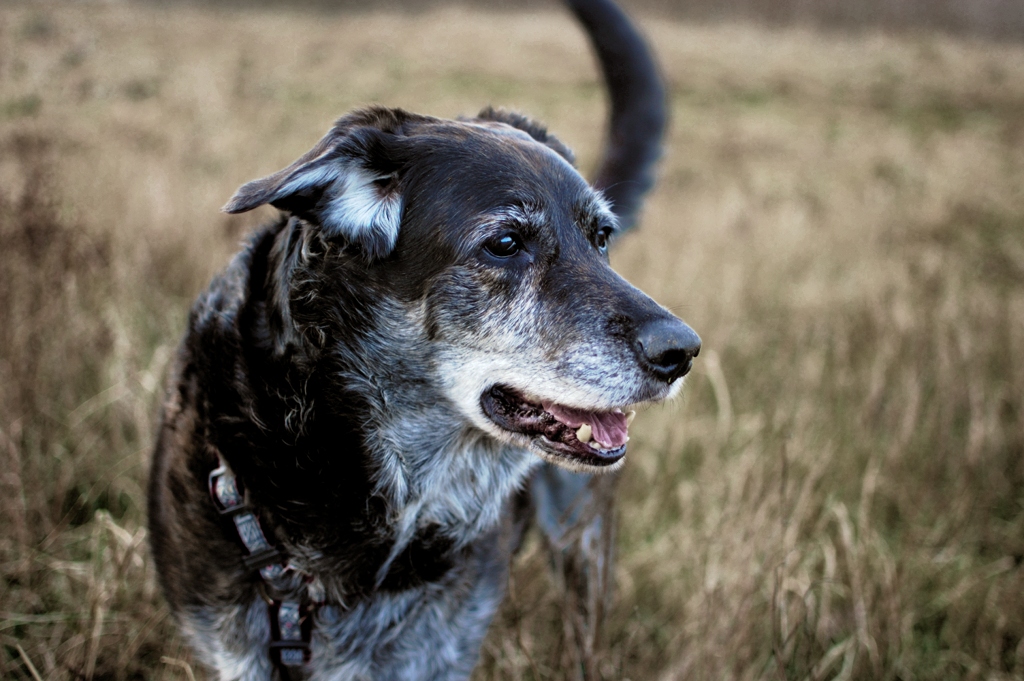
There is much interest in dietary health supplements for dogs and cats with a plethora of research directives leading to novel bioactive agents as dietary supplements. Ocean plants like seaweed is becoming an important consideration, but various terrestrial plants are also being viewed positively. One very interesting development is the common stinging nettle Urtica dioica and is being advocated through extensive scientific research efforts with many animals.
Urtica dioica, commonly known as nettle, is a versatile plant with a rich history of medicinal use in traditional human and veterinary medicine. It is renowned for its potential health benefits, thanks to its wide array of bioactive compounds. Urtica nettle has been used for centuries in human and veterinary medicine, and recent research suggests that it may provide various health advantages for dogs when incorporated into their diet. Urtica nettle is a nutritional powerhouse, containing essential vitamins, minerals, and bioactive compounds that contribute to its health-promoting properties. These include Vitamin A, Vitamin C, Vitamin K, B-vitamins (B1, B2, B3, B5, B6, B9), minerals and trace elements such as iron, zinc, selenium, magnesium and the macro-elements, calcium, phosphorus, and potassium. The latter are vital for bone fortification and neurological support. Micronutrients rich in nettle have primary importance in metabolism and physiological processes in the canine animal system. They will play major co-enzyme roles in important energy yielding pathways in cells and also be involved in structural and transport proteins in the body of dogs. Urtica contains numerous bioactive compounds that can modulate the health of dogs as part of their defensive mechanisms. As such, they are termed Bioactive Compounds and include flavonoids, phenolic acids, tannins, lectins, chlorophyll, and silica. These nutritional components make nettle a valuable addition to a dog’s diet, potentially supporting their overall health.
• Anti-inflammatory Properties: Nettle contains compounds like quercetin and kaempferol, which exhibit anti-inflammatory and functional effects. These properties can aid in managing inflammatory conditions in dogs, such as arthritis and allergies and combatting stress and tolerance to the changing environment such as temperature fluctuations and exercise as reported by Buhad et al. (2020)
• Antioxidant Effects: The high content of antioxidants in nettle helps neutralize free radicals, reducing oxidative stress and the risk of chronic diseases in dogs. This is especially useful in heavy periods of activity, exercise and following disease events and recovery to infection. Diet supplementation may mitigate these factors and aid in post treatments to vaccines and therapeutic agents (Morsy et al. 2019)
• Immunity: Stojanović et al. (2021) described the immune support attributes for nettle in diets for dogs. Vitamins and minerals in nettle can contribute to a stronger immune system, helping dogs better fight off infections and illnesses. The action of selenium, zinc, and Vitamin C (ascorbic acid) play a major role in immunecompetence and support the complement pathways that work in synergy with the specific and innate immune system in dogs.
• Allergy Management: Nettle may assist in managing allergies in dogs due to its antihistamine properties, which can help alleviate symptoms such as itching and inflammation. This would have significance in different seasons when dogs may be more exposed to viral, bacterial, fungal and ectoparasites and especially in the summer when more pollen may be present.
• Nutrient Absorption: Nettle’s nutritional content can enhance the absorption of essential nutrients in a dog’s diet, improving overall health and vitality. The effect on the gut architecture to enhance assimilation of nutrients and the modulation of the gut microbiome will be an important area to further explore the attributes of nettle in the canine diet.
In conclusion, Urtica nettle is a natural dietary supplement that holds promise for enhancing the health and well-being of dogs. Its nutritional and chemical properties, as well as its documented anti-inflammatory, antioxidant, and immuneboosting effects, make it a compelling addition to a dog’s diet. While the scientific evidence supporting its benefits is still growing, the existing studies suggest that nettle can be a valuable component of a holistic approach to canine health. However, consultation with a veterinarian is recommended before introducing any new supplement into a dog’s diet to ensure safety and appropriateness for individual animals.
This Editorial was published in the December 2023 Edition of International Petfood Magazine.