


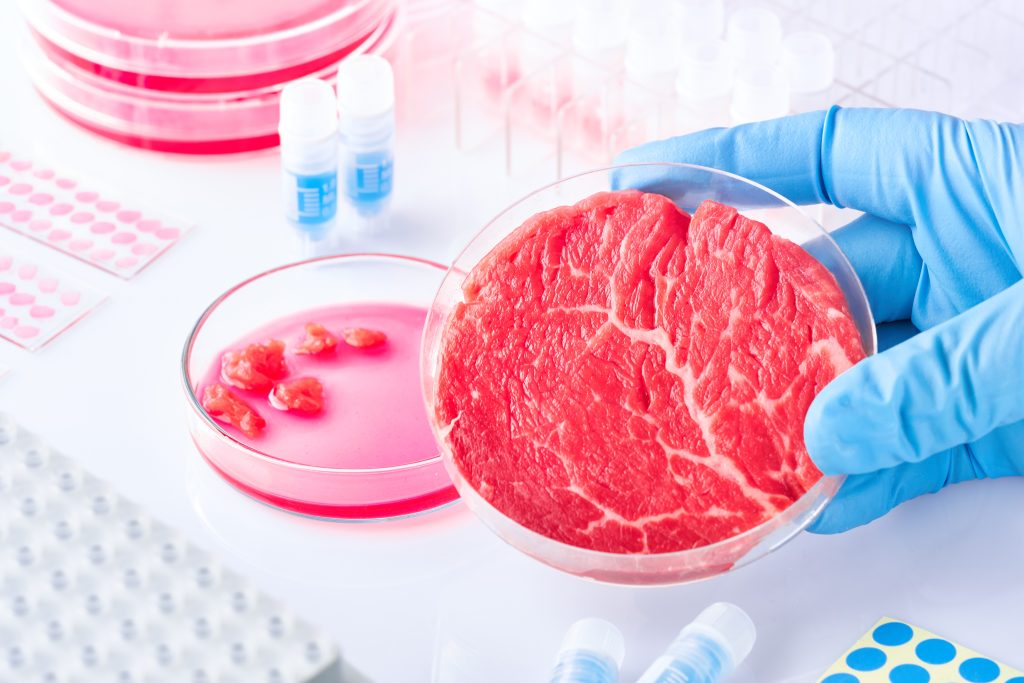

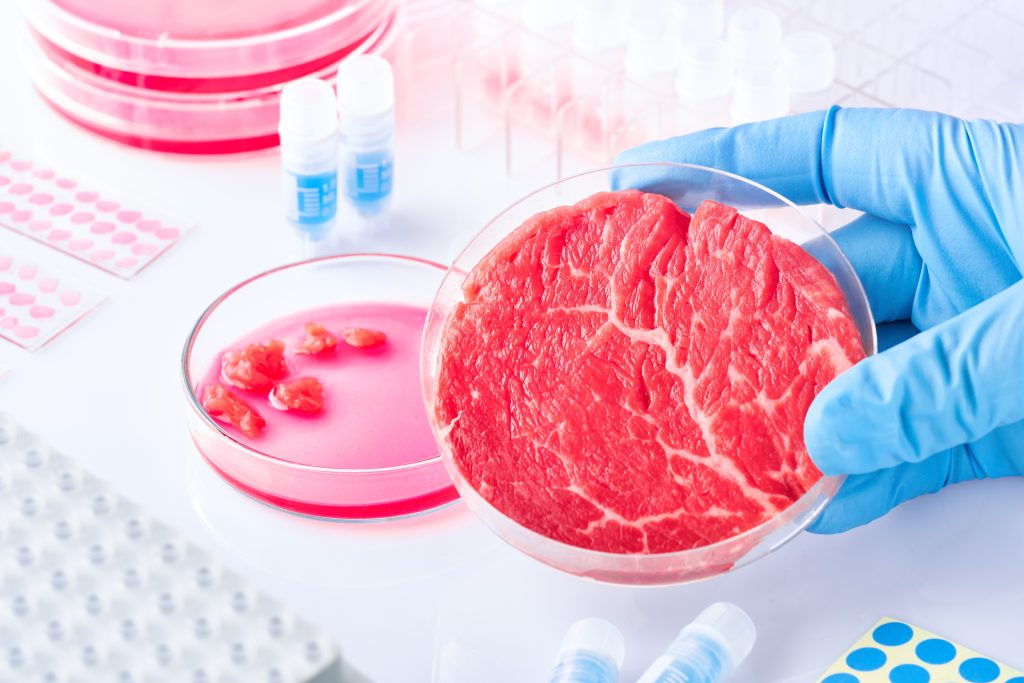
The race to bring lab-grown meat to petfood bowls is heating up, with significant global strides accelerating the journey to market.
Key milestones, including the UK’s first approval of cultivated meat for pets, hint at an imminent transformation for the industry. London-based startup Meatly made history as the first company in Europe to receive regulatory approval for cultivated meat, with its lab-grown chicken set to hit shelves for dogs in the UK within months.
Across the Atlantic, the United States is preparing for a similar leap forward. Sustainable protein pioneer Friends & Family Pet Food (FnF) has joined forces with cultivated meat innovator Novel Farms to debut a cell-based cat food brand in California by 2025. As companies strive to redefine pet food with sustainable, premium products, the question remains: How will cultivated meat reshape the pet nutrition landscape?
Meatly’s first leap
Meatly, a company formed in 2022, have been working towards creating and selling the first ever cultivated meat petfood product since their founding by Owen Ensur. Using the cells from a single fertilised egg, Meatly have been able to create the first of its kind – cultivated chicken petfood for dogs and cats.
The purpose behind the company is to create a healthy and balanced food for pets without affecting its taste while creating a positive impact on the planet.
“Meatly has been on a fast-growth journey since myself and my CSO Helder Cruz started, with a mission of producing a kinder meat which is better for our pets and the planet, but which also doesn’t compromise on taste,” says CEO and Founder Owen Ensur to International Petfood.
Challenges and trials
Regardless, there are a lot hurdles the companies has to face to get into this race. At the behest of livestock lobby groups, lab-grown meat has been banned in Florida, Alabama and Italy. Politicians in France, Romania, Hungary and other US states are seeking to follow suit.
According to Greenpeace’s investigative outlet, Unearthed, a new campaign funded by the livestock industry and fronted by a former meat executive is pressing for an EU-wide ban. As the far-right Hungarian government has the presidency of the European Council, the campaign could succeed.
Gaining the regulatory approval in the UK was a learning curve for not only Meatly, but for the three separate agencies (Food Standards Agency, Animal and Plant Health Agency & the Department for Environment, Food and Rural Affairs) that oversaw approving the product.
In July earlier of this year however, Meatly were successful and received the first approval in the industry to use cultivated meats for their products. To reach this step though, the company had to consider the costs of creating the meat and not only gathering the funding for the company but finding a cost-effective method of creating the products. Ensur tells International Petfood how they made it cost-effective:
“Our science team has reduced the cost of the medium we feed our cells from hundreds of pounds to just £1 a litre. We’re now focusing on scaling up our equipment to meet what we believe is palpable consumer demand. The process has historically utilised small-scale biology equipment, and we now need to create products at an industrial scale without any impact to the quality of it.”
The final hurdle was keeping the meat palatable for pets. With the conclusion of Meatly’s recent feeding trials of the chicken meat tested against a plant-based placebo diet, Meatly received favourable results.
Reported 75 percent of dogs showed greater enjoyment for the Meatly version, 75 percent started eating right away and 50 percent kept licking their bowls clean after finishing, proving just how delicious it is. Ensur explained further how the Meatly Chicken had elevated the placebo diet and helped it taste better with no side effects reported in 134 meals. This was shown even at a low inclusion rate of 5 percent Meatly Chicken.
Industry and growth
With large investments from Argronomics, a leading UK investor in cultivated meats, and Pets at Home, the UK’s leading pet retailer, Meatly has remained not only sufficiently funded but is strongly supported by the industry.
Upon receiving the regulatory approval during the summer, Meatly have entered numerous discussions for potential brand deals with companies who are eager to learn and expand their market into more environmental, ethical and sustainable products.
“Sustainability is quickly becoming a key consumer demand in pet food, with many pet owners searching for meat alternatives, which are better for the planet. This now means pet food brands in this space are keen to explore new processes and techniques such as cultivated meat, which can help them to answer this growing customer demand,” says Ensur when asked about the industries response to the use of cultivated meat in petfood products.
Leading the first wave of cultivated meat, many brands are expected to follow in Meatly’s footsteps and Meatly have told us some of their plans for hopeful expansion in the future. There are already plans for potential regulatory approval in the US, Canada and EU to expand their operations. In the UK though, Ensur has told International Petfood for their local growth.
“Our goal is to make it easy for pet food makers and consumers to switch from traditional to cultivated chicken. Once we’ve scaled production and established our product in UK pet stores, we plan to explore other meats, like beef and pork, and other markets.”