















The Human Animal Bond Research Institute (HABRI) and Chewy Health have released a new study examining how pet parents use artificial intelligence (AI) to manage their pets’ health and care.
The findings show growing adoption of AI tools, with many users reporting better engagement with veterinary professionals and greater confidence in caring for their pets.
The Artificial Intelligence and Pet Health Study surveyed 2008 US dog and cat owners aged 18–70. The survey was conducted online between 12-20 May 2026; it included primary decision-makers for pet care and was nationally representative by age and gender.
According to the study, 81 percent of pet parents have used AI, while 36 percent have used it specifically for pet care. Among those who use AI for pet care and have a veterinarian, 80 percent said the technology helps them take better care of their pets, while 77 percent said it makes them better pet parents. Additionally, 67 percent reported a stronger bond with their pets.
AI also appears to influence veterinary consultations. Around 67 percent of respondents who use AI and have a veterinarian felt better informed before appointments. Meanwhile, 66 percent said AI improved their understanding of veterinary explanations, and 62 percent reported more productive conversations with their veterinarians.
Pet parents primarily use AI to obtain quick answers (84 percent), seek reassurance (83 percent) and gain confidence in their care decisions (82 percent). However, respondents recognised that AI cannot physically examine animals or replace professional judgement and empathy.
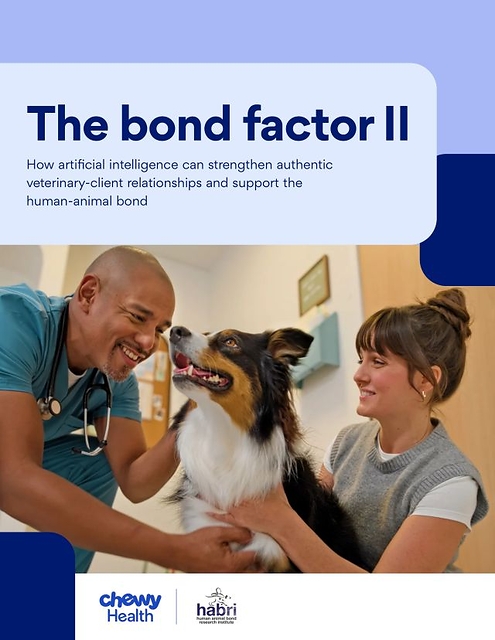
HABRI and Chewy Health have also developed The Bond Factor II, a practical guide to help veterinary teams address AI use and strengthen communication and trust with pet parents. To read The Bond Factor II digital white paper click here.
The findings indicate that AI is emerging as a supplementary pet-care resource, while veterinary professionals remain central to animal healthcare.