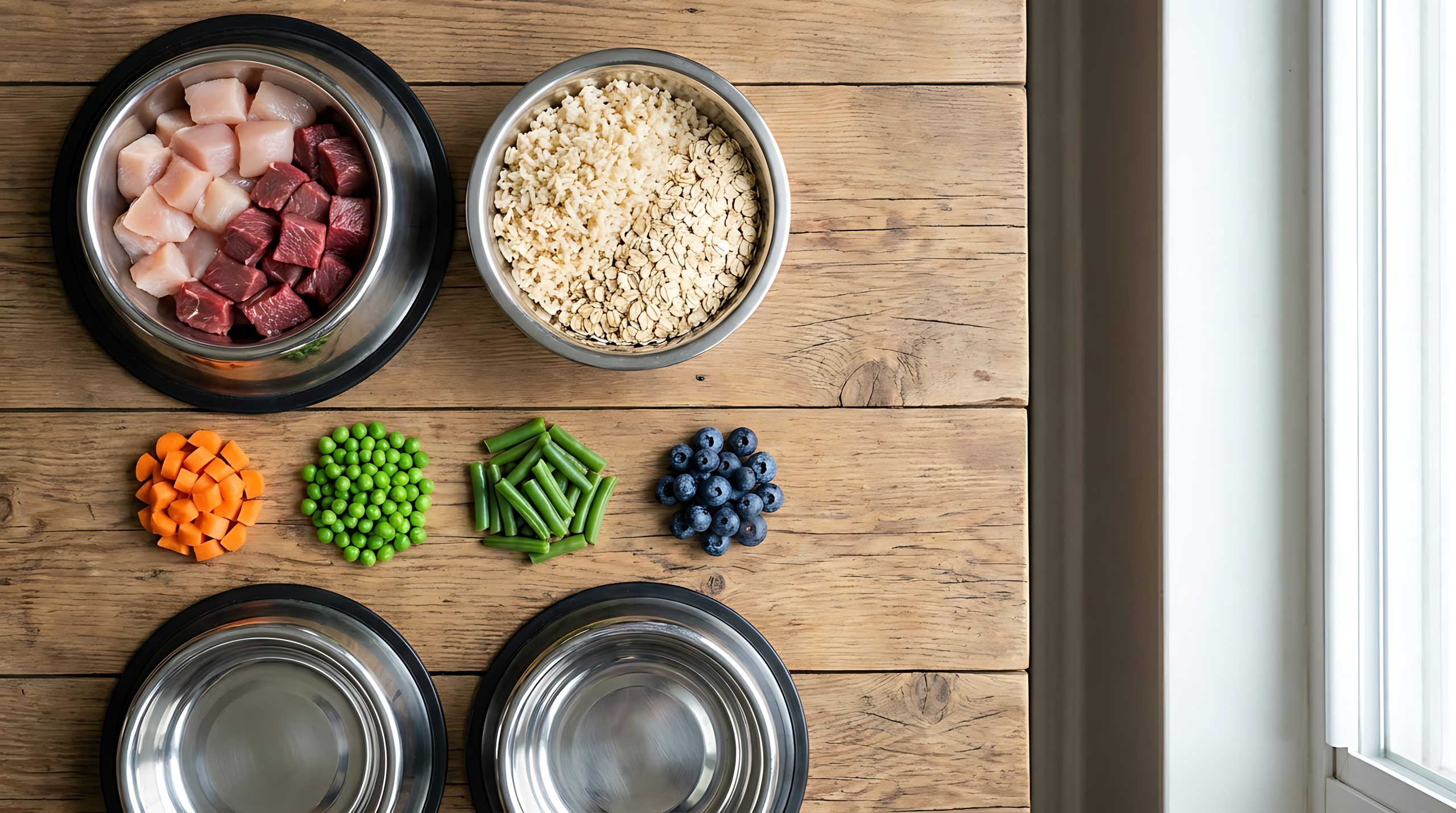
Specified Risk Material (SRM), which was banned in 2007 under the Enhanced Feed Ban, is now under consultation in Canada to explore its safe reuse.
The Canadian Food Inspection Agency (CFIA) has proposed a few changes that would allow eligible SRM to be used in pet food, feed for animals not cattle or other ruminants, and fertilizers.
The consultations were opened on July 11, 2026, and will close on September 9, 2026.
The Eligible SRM would include these tissues from cattle ( of age 30 months or older): skull, eyes, parts of the nervous system (trigeminal and dorsal root ganglia), tonsils, a portion of the small intestine (distal ileum), and distal ileum from cattle (under 30 months of age).
The Enhanced Feed Ban was introduced in 2007 to restrict the disease. SRM, popularly known as a mammalian protein, and certain high-risk cattle proteins were banned from feeding to cattle. These measures helped to reduce the main sources of exposure and bring an end to the epidemic in Canada and globally.
However, the risk of bovine spongiform encephalopathy (BSE) is significantly low in Canada, and in the world today, the measures have not been updated to reflect its lower risk. Canada has been recognised as having a negligible risk status by the World Organization for Animal Health (WOAH). The stricter regulations of Canada make the cost higher for some Canadian businesses as compared to businesses in the United States and, thus, limit how some SRM can be reused safely.
The changes have been proposed as Canada has a very low risk of BSE today, and they reflect current science. BSE is a form of disease that affects cattle. It spreads when cattle eat feed containing infected animal protein.