















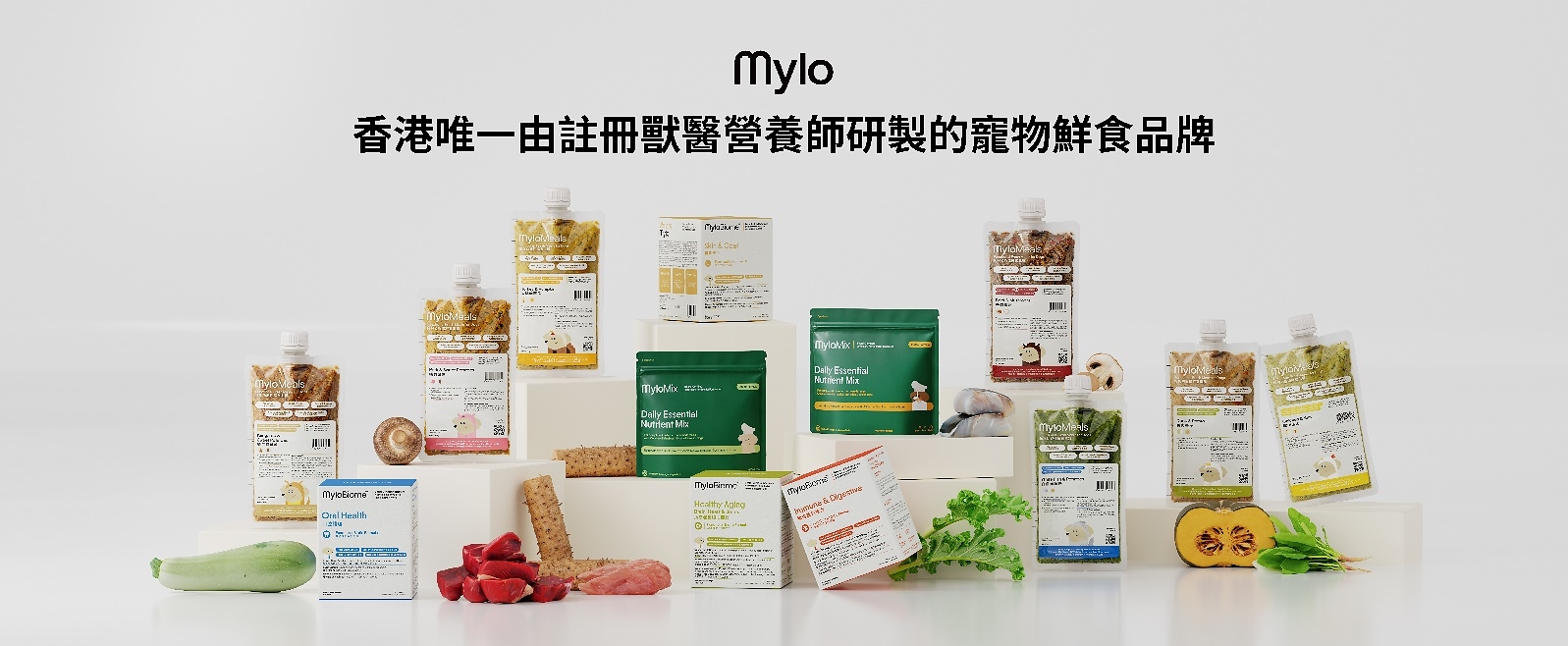
Hong Kong-based pet nutrition company Mylo officially launched in June 2026, focusing on veterinary nutrition, fresh food and microbiome research. The company describes Mylo as Hong Kong’s first pet nutrition brand developed by a Board-Certified Veterinary Nutritionist (BCVN).
According to the company, it has secured more than HK$6 million in initial funding and received support from practising veterinarians.
Mylo’s portfolio comprises three product categories: MyloMeals, functional fresh meals; MyloMix, a precision nutrient mix and MyloBiome, a functional probiotic range. The company says its products combine veterinary nutrition expertise, human-grade ingredients and microbiome science. Its formulas are led by Dr Moran Tal-Gavriel, an EBVS Board-Certified Veterinary Nutritionist, who oversees ingredient selection, nutrient ratios, functional design and safety checks.
The launch also highlighted a 16-week clinical microbiome study conducted with a research team from The Hong Kong Polytechnic University and Hong Kong Homeless Dog Shelter. According to Mylo, the study found that MyloBiome inhibited 95 percent of harmful bacteria. The company said the research forms part of its wider focus on gut health and preventive nutrition.
Alongside its commercial launch, the brand announced a canine longevity research programme with local veterinary clinics. The initiative aims to establish a longitudinal canine stool bank and microbiome database to support research into early disease screening and prevention.
Mylo has also appointed Sylvia Burbery, former Regional President of Royal Canin’s Asia-Pacific and Emerging Markets business, as a board advisor. The company said the appointment will support its regional development and expansion plans.
Mylo’s developer, Mr Kingson Kwan, states, “Feeding dogs dry food every day is equivalent to letting children eat instant noodles paired with luncheon meat and eggs every day, then saying the presence of meat and eggs makes it a healthy diet. When global nutrition guidelines sound the alarm on heavily processed food, we must apply those same nutritional standards for our furry friends.”