by Heikki Keskitalo, Co-founder & Business Development Manager, Enifer, Finland
The petfood industry is undergoing a revolution. As environmental concerns rise and pet owners demand more sustainable and health-conscious options for their furry companions, alternative protein sources are emerging as a solution. Derived from sources such as plants, insects, and microbes, these proteins offer numerous benefits in terms of nutrition, sustainability, and ethical considerations. Among the myriads of options, mycoproteins—proteins derived from fungi—stand out as an exceptional innovation, promising not only to sustain but also to enhance animal well-being, all with a fraction of the environmental impact of traditional agriculture.
Alternative Protein Sources Plant proteins derived from sources like soy and peas are readily available and cost-effective. There are large differences in essential amino acid (EAA) compositions between various plant-based proteins. Combinations of various plant-based proteins or blends with animal-based proteins are required to provide the right balance that delivers adequate nutrients to our furry friends.
Beyond variations in EAA compositions, plant proteins have other limitations that require addressing. Plants naturally contain anti-nutritional factors such as protease inhibitors, phytates, and non-starch polysaccharides. These compounds can interfere with digestion, causing bloating, flatulence, and poor stool quality in animals. While extrusion processing can deactivate some of these factors, improper processing—either too little or too much—can compromise the protein quality or leave these issues unresolved.
Insects, such as black soldier fly larvae, crickets, and mealworms, offer high levels of digestible protein and essential amino acids. They are also rich in healthy fats. However, insect proteins face hurdles, particularly in Western markets, where consumer acceptance remains a challenge. Scaling insect farming to meet the demand of the global petfood market will also require significant investment and innovation.
The road less travelled
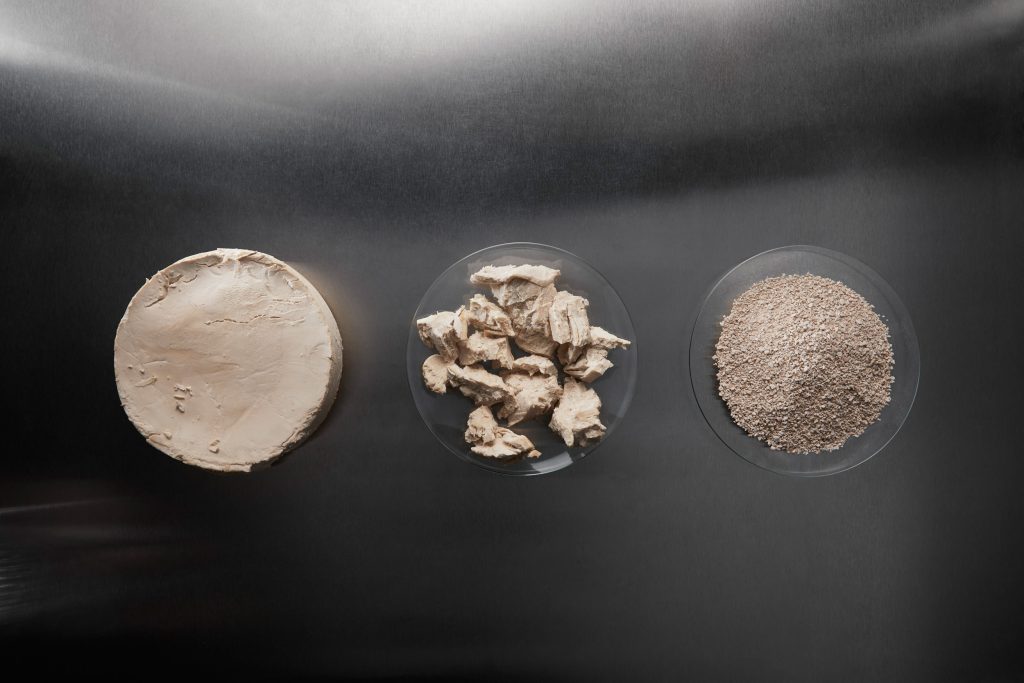
Among alternative protein sources, mycoproteins stand out as a novel and largely untapped resource for creating nutritious and environmentally sustainable petfood. The amino acid composition of fungi—that is, mycoproteins—is generally closer to animal proteins than plants, thus aligning well with the dietary needs of carnivorous species. For example, fungi and animal proteins both have higher proportions of amino acids like lysine, which is less abundant in plants and helps pets build and maintain muscles, bones, blood, organs, skin, and coat.
In recent years, mycoproteins have been experiencing a renaissance, being used previously as a protein ingredient in animal feeds in the 1970s and 1980s and in human nutrition since the 1980s. It has been found that some mycoproteins have a Protein Digestibility Corrected Amino Acid Score (PDCAAS) very close to that of high-quality animal proteins, so they can be used nutritionally to replace animal protein. Additionally, mycoproteins contain significant amounts of β-glucan fibre, associated with health benefits but no carbohydrates, making them suitable for low-glycaemic petfoods.
Benefits of alternative proteins
The effects of any diet extend beyond its essential nutrients, encompassing a range of additional health impacts. Novel proteins, apart from meeting basic nutritional requirements, can provide supplementary benefits for animal health. One key area is gut health, which is a crucial aspect of animal well-being, as it affects nutrient absorption, immune function, and overall health. Many plant components influence the microbiota by increasing potentially beneficial bacteria and minimising pathogenic microbes.
A 2024 study conducted by the Research Laboratory in Canine Nutrition at the Federal University of Paraná revealed notable improvements in gut microbiome diversity with the inclusion of a mycoprotein in dogs’ diets. Even at the lowest tested inclusion rate of four percent, this mycoprotein significantly increased beneficial gut microbes while reducing harmful bacteria, demonstrating its potential as a valuable dietary addition.
In addition to supporting gut health, components of novel protein sources, such as dietary fibre, contribute to other critical aspects of animal well-being. Fibre plays a key role in promoting satiety, helping animals maintain a healthy weight by inducing a sense of fullness and reducing overall calorie intake. This makes it an effective component of weight management strategies, further emphasising the multifaceted benefits of alternative protein sources.

Case for alternative proteins
The environmental impact of traditional protein production is a growing concern. Alternative protein sources offer a more sustainable solution by reducing resource use and environmental degradation. However, not all alternative protein sources are without challenges. For instance, Brazilian soy protein concentrate has been linked to deforestation in the Amazon rainforest, driven by the expansion of soybean cultivation. This underscores the importance of selecting protein sources that are both nutritionally and environmentally sustainable.
Mycoprotein, and other microbial proteins, stand out in sustainability even among alternative protein sources. Mycoproteins are derived from filamentous fungi grown in a controlled fermentation process, which ensures consistent and scalable production without relying on agricultural inputs like pesticides or fertilisers. Compared to traditional agriculture, it dramatically reduces land and water usage, making it a highly planet-friendly option.
Additionally, mycoprotein production can utilise by-products from other industries, reducing waste and contributing to a circular economy. For instance, one such mycoprotein is produced using side streams from various industries, making it an eco-friendly option for petfood manufacturers.
Challenges & the path forward
While alternative protein sources hold immense promise, challenges remain in achieving widespread adoption. Educating pet owners about the benefits of novel proteins is key to increasing acceptance. Many consumers are still unfamiliar with alternative proteins and their advantages.
Scaling up the production of novel proteins while keeping costs competitive with traditional animal-based proteins remains a significant challenge. Achieving cost parity requires substantial investment in technology and infrastructure. However, promising innovations are emerging that offer solutions. One such mycoprotein, previously industrially produced for animal feeds, showcases the potential of alternative proteins to compete with conventional feed ingredients in cost-effectiveness while offering added functional benefits.

Sustainable future for petfood
The future of pet nutrition lies in sustainable innovation. Novel proteins, especially mycoproteins, offer a way to meet the dietary needs of animals while addressing the environmental challenges of traditional protein production.
When assessing the suitability of alternative proteins for animals, amino acid profiles and digestibility are critical considerations. While both plant and insect-based proteins can provide the necessary amino acids, their profiles often require balancing. Plant proteins, for example, may lack adequate lysine, a key amino acid for canine health. Mycoproteins, however, contain all essential amino acids in sufficient quantities, making them a complete protein source. Mycoproteins’ dual role in providing high-quality protein and supporting gut health makes them particularly valuable in animal diets.
With their high-quality nutrition, excellent digestibility, and minimal ecological impact, mycoproteins represent the next frontier in petfood. As research continues and consumer awareness grows, these proteins have the potential to redefine the petfood industry, creating a healthier, more sustainable world for pets and their owners alike.
Published in the February 2025 issue of International Petfood.