A study led by Professor Andrew Knight and co-authors Alexander Bauer and Jenny L Mace, published in Frontiers in Animal Science on 8 October 2026, has found lower rates of being overweight among cats fed vegan diets than those eating conventional meat-based diets. However, the researchers said the findings were not statistically significant and require further investigation.
The study analysed carer-reported veterinary assessments of 1305 cats that had followed either a conventional meat-based diet or a vegan diet for at least one year. Of the cats surveyed, 90.3 percent ate meat-based diets, while 9.7 percent received vegan diets.
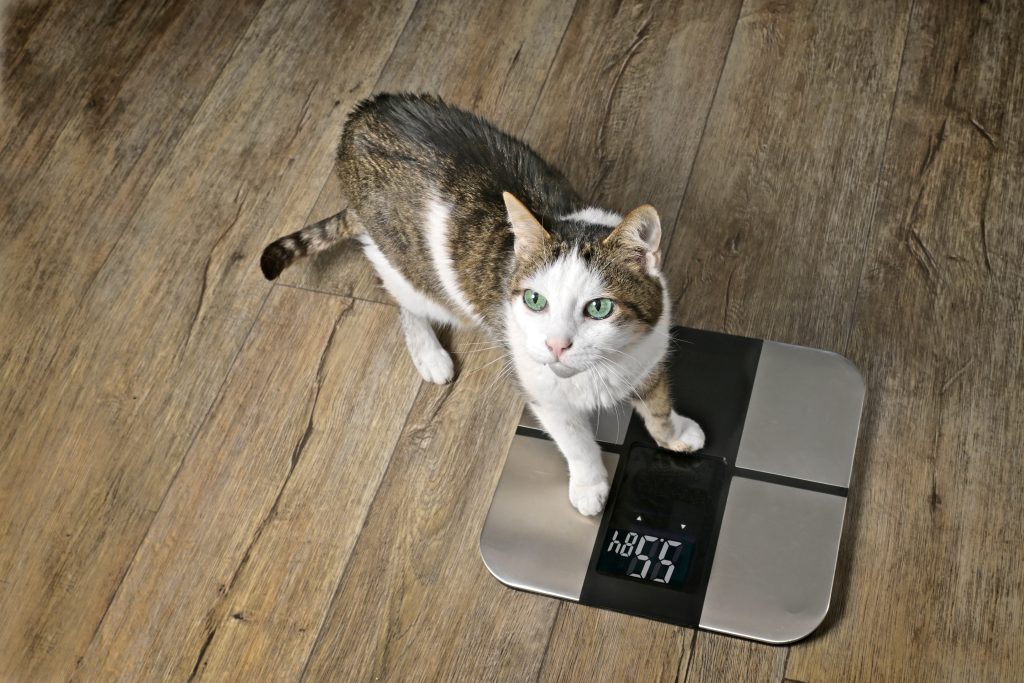
After accounting for factors including age, sex, neuter status, activity levels and feeding practices, researchers found that cats fed vegan diets had 34 percent lower rates of being assessed as overweight. However, the difference was not statistically significant, partly because relatively few cats in the survey followed vegan diets.
The researchers also recorded lower reported rates of body weight-related disorders, including osteoarthritis and other musculoskeletal and mobility problems, among vegan-fed cats. The study did not establish that vegan diets prevent these conditions.
Further research needed
Professor Andrew Knight, an author of the study affiliated with Murdoch University’s School of Veterinary Medicine in Australia and the University of Winchester in the UK, said the findings, while not conclusive, showed interesting trends.
“Carers feeding cats vegan diets also reported lower rates of body weight-related disorders such as osteoarthritis and other musculoskeletal and mobility problems. However, the relatively small number of vegan-fed cats mean these results cannot be considered conclusive.”
“Interestingly, most vegan-fed cats were eating predominantly dry food and were more likely to have food available throughout the day. These are feeding patterns normally associated with increased overweight risk. Yet we still observed lower rates of overweight in this group.”
The study did not analyse the foods directly, so the reasons behind the observed differences remain uncertain. The researchers suggested that variations in fibre, calorie, fat and L-carnitine levels could potentially influence weight management.
They recommended a larger, prospective study that measures cats’ diets, energy intake and body condition directly to investigate the relationship further.
Click here for the full study.