As pet owners grow more conscious of sustainability and health, the spotlight is turning to alternative protein sources that are not only environmentally friendly but also nutritionally beneficial. Among these, bacterial protein is making waves, becoming a key player in both human and pet diets.
Bacterial proteins are not as foreign as they might sound. For pets, this protein source offers similar benefits, promising to improve digestion and overall well-being.
Synthesis
Its applications range from enhancing gut health to reducing environmental impact, and its potential is now being realised through innovative products like FeedKind Pet, a bacterial protein ingredient introduced by Calysta. The bacteria, through FeedKind, provides many benefits for pets as it interacts with the microbiome and acts as an anti-inflammatory for the gut, equalling a better and healthier digestion.
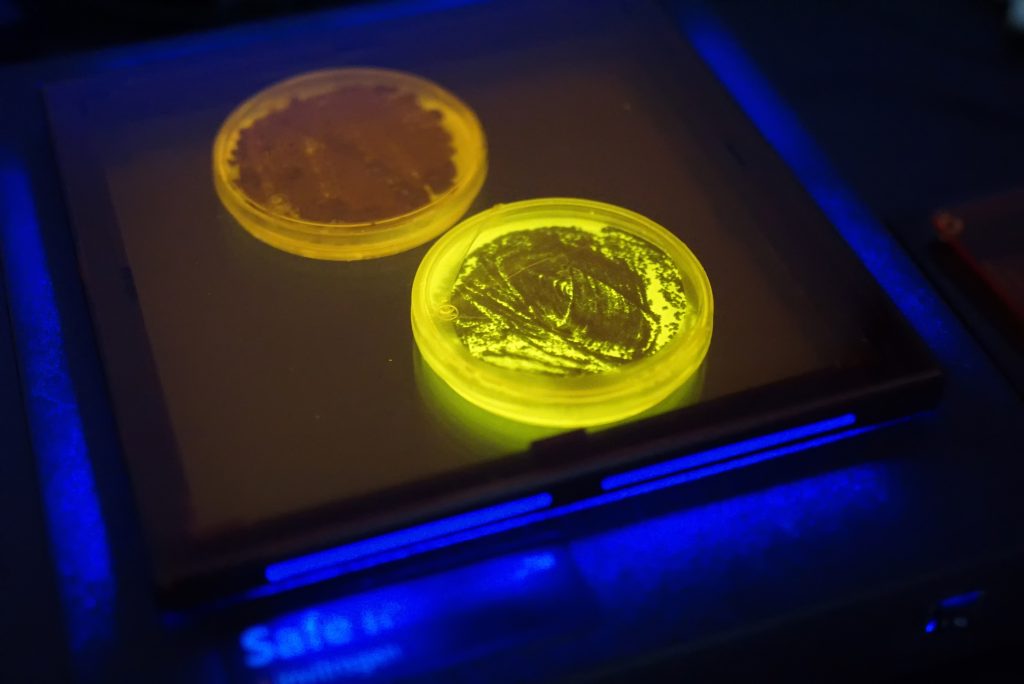
“We use Methylococcus capsulatus, a naturally occurring bacteria that can be found all over the world and possibly in your own backyard… We simulate this process via fermentation, giving the bacteria everything it needs, allowing it to flourish and then drying it as a high-quality protein ingredient that’s perfect for petfood,” say Herman Sloot, VP Commercial Development of Calysta to International Petfood.
Environmental Concerns
The call for alternative petfood proteins has risen over the last few years with supply chain challenges and environmental concerns growing.
It has been noted in data from ‘2023 Vegan Pet Food Market Share and Size’ report, ‘The Insight Partners’ and ‘NielsenIQ’ that pet owners are shifting towards petfoods with a lower water content or are vegan/vegetarian. Pet owners are showing concerns for animal welfare and biodiversity and FeedKind is a vegan alternative that addresses the growing concerns, along with providing a sustainable option that the owners are looking for.
“As the petfood industry focuses more on pet health and wellness, we’re seeing a significant move towards new ingredients due to their environmental impact and health benefits bacterial proteins can offer,” says Sloot. He continues, “Concerns are rising within the pet food industry regarding the long-term availability and reliability of animal protein ingredients, as well as the significant water usage involved in their production. While conventional proteins like chicken, beef, and fish provide essential nutrients for pets, their environmental impact is becoming a growing concern. Not only that, but today’s pet owners also are increasingly unwilling to compromise on sustainability.”
Market trend
With the approval for use from the EU, UK, Canada and several other markets along with the US making progress on its regulatory approval, FeedKind paves the way for being a leading player in bacterial protein use in the growing market for high-quality and sustainable petfood.
“Earlier this year, Calysta and Dr Clauder’s, a well-known German pet food brand, formed a partnership to incorporate FeedKind Pet protein into their products. This first application of FeedKind in ´Dr Clauder’s´ – Trainee Snack – Cultured Protein´ even won the Innovation Award in the Next Gen Pet Food category at the Fressnapf Awards,” says Sloot.
Feedkind have received a strong positive reaction from the industry, with their first successful shipments of commercial product to Europe and shipments to petfood producers, they have garnered additional interest from the industry for the protein. Calysta are confident they will see several new launches of petfood products in the near future featuring the FeedKind Pet protein.