by Alesia Stojku, Marketing Assistant, PLP Systems, Italy
Pet food coating, also known as the palatability of kibble, is a crucial practice in the pet food industry, enhancing the energy and nutritional value of the food. This technique involves the addition of animal and vegetable fats and oils, which are essential for meeting the specific energy requirements listed on product labels. Besides improving palatability, coating with oils provides essential fatty acids for pets and enhances the texture of the kibble.

Adding fats and oils
Some fats and oils can be incorporated during the mixing or conditioning phases before extrusion. However, excessive liquid addition at this stage can compromise kibble formation. The best method is to apply lipids after the kibble has been formed, typically after drying and before cooling. Commonly used fats include chicken oil, lard, pork fat, and fish oils. Vegetable oils such as canola, sunflower, soybean, palm, and coconut are also widely used, depending on availability and manufacturer preferences.
For dog kibble, oil content typically ranges from a minimum of one percent to a maximum of 14 percent of the total kibble weight, with exceptions for working dogs, where oil content can exceed 20 percent. In contrast, oil inclusion for cat kibble usually does not exceed five percent.
In addition to oils, other additives, primarily flavour enhancers and palatability agents, are applied during the coating process. These are often based on hydrolysed meat, commonly referred to as ‘digest,’ and are available in liquid and powder forms.
Importance of coating
The taste of petfood, especially for cats, is a critical factor for manufacturers, as pet owners are more likely to repurchase a brand if their pets enjoy the food. While ingredient quality is undeniably important, the technology used in production is equally significant. Achieving uniformity ensures that the entire surface of the kibble is evenly coated, resulting in consistent flavour throughout each piece.
Oils play a key role in food preservation and provide a uniform colour. Inconsistent oil absorption can cause some kibble pieces to appear darker, leading to a perception of lower quality. This is why precise application of coating is fundamental in petfood production.
Technologies for kibble coating
Coating technologies are classified into batch coating and continuous coating, each with subcategories:
Batch coater: This method uses a vertical or horizontal mixer to move a weighed batch of kibble, sprayed with specific amounts of oils and flavours. However, this outdated technology does not ensure good uniformity.
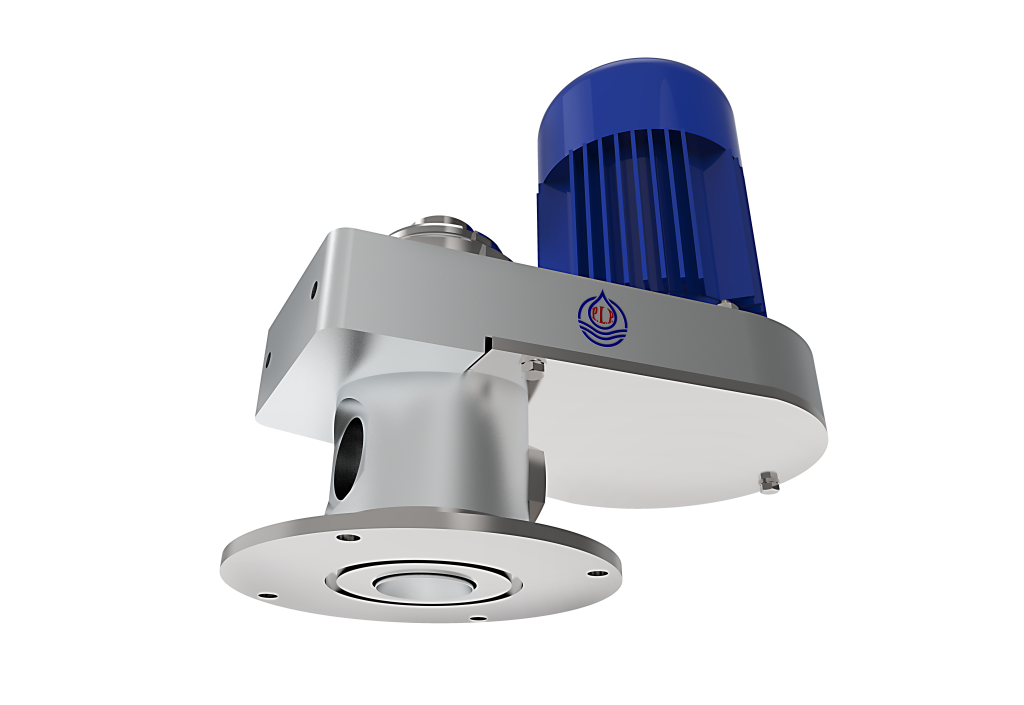
Vacuum batch coater: Similar to the batch coater, this technology generates a vacuum during the application process. The vacuum is gently released after oils are sprayed, allowing oils to penetrate the porous kibble. This is the only technology suitable for high oil inclusions above 20 percent. However, for low oil additions below eight percent, uniformity can be poor.
Continuous drum coater: In this method, kibble continuously passes through a rotating drum, and additives are sprayed over a large surface area. Though economical, this outdated technology has limitations, including low flow capacity (no more than three tonnes per hour), limited oil addition, and short retention time during coating and mixing phases.
Continuous disc coater with spray: This process involves kibble being continuously weighed and passing through a vertical chamber with a rotating disc that sprays liquids. While this technology achieves good uniformity, it has drawbacks such as material accumulation in the disc spray chamber and a limitation to a single spray phase, while multiple phases are often required.
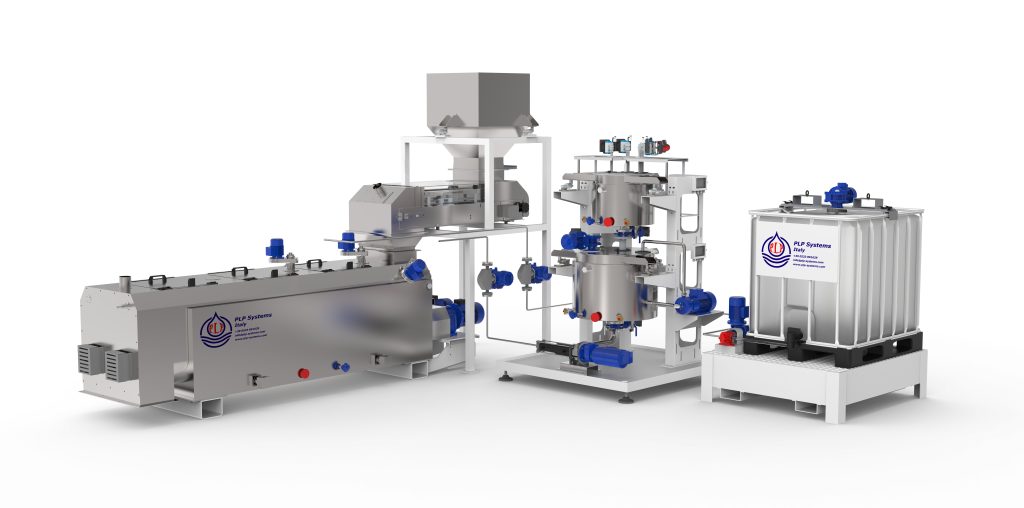
Continuous paddle coater: This advanced system features a double continuous paddle shaft ensuring gentle product handling, precise dosing, and automated retention time adjustments. The system uses motorised atomisers positioned at the top, ensuring optimal distribution across various application phases. It achieves micro inclusions as low as 0.01 percent with excellent uniformity, adhering to the highest Coefficient of Variation (CoV) standards. Additionally, it supports oil addition up to 15 percent, making it a versatile and efficient solution for precision coatings.

Benefits of coating technologies
Advanced coating technologies ensure that petfood is both tasty and appealing. These systems allow manufacturers to meet high standards of flavour and quality, ensuring consistent product appeal in a competitive market. Whether improving an existing production line or exploring innovative methods, these technologies provide the reliability and excellence required to meet consumer demands.
Published in the February 2025 issue of International Petfood.