Editorial by Prof. Simon Davies
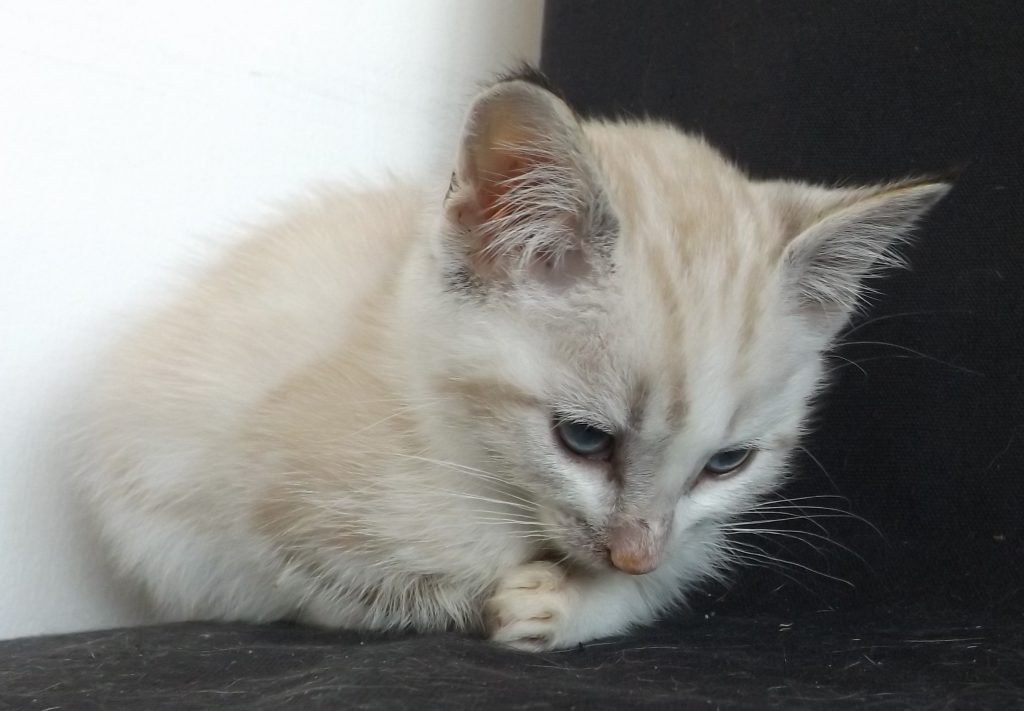
Riboflavin, also known as vitamin B2, plays a crucial role in the diet and nutrition of dogs and cats, contributing to various physiological functions essential for their overall health. This water-soluble vitamin is part of the B-vitamin complex and is involved in a range of metabolic processes. In the context of canine and feline nutrition, riboflavin is vital for energy metabolism, growth, and maintenance of various bodily functions. It is a key component of enzymes involved in energy metabolism, specifically in the form of coenzymes like flavin mononucleotide (FMN) and flavin adenine dinucleotide (FAD). These coenzymes participate in the oxidation-reduction reactions of the electron transport chain in every mitochondrion, facilitating the production of adenosine triphosphate (ATP), the primary energy currency of cells. This is particularly important in highly active dogs and cats or those engaged in strenuous activities. Riboflavin is crucial during periods of growth and development, such as puppyhood and kittens. It plays a role in the biosynthesis of new cells and tissues, contributing to the overall growth and maturation of the dog and cat. Adequate riboflavin intake is especially important in pregnant and lactating females to support the growth of the developing foetuses and the nutritional needs of nursing puppies.
Many enzymes involved in various metabolic pathways require riboflavin as a cofactor. These enzymes participate in processes such as the metabolism of amino acids, fatty acids, and carbohydrates. This makes riboflavin indispensable for the proper functioning of enzymatic reactions in dogs and cats, influencing their overall metabolic health. As such, is a key component of the antioxidant enzyme glutathione reductase, which helps protect cells from oxidative damage. Antioxidants play a crucial role in neutralizing free radicals that can contribute to cellular damage and aging. Therefore, riboflavin indirectly contributes to the overall antioxidant defence system in dogs and cats, supporting their overall health and longevity.
The vitamin is associated with the maintenance of healthy skin and coat in dogs and cats. It is involved in the regulation of skin cell growth and repair, and a deficiency may lead to dermatological issues such as dry or flaky skin. In addition, riboflavin contributes to the formation of the mucous membranes, including those in the eyes, which are vital for overall ocular health. Riboflavin is involved in the production of red blood cells, which are essential for oxygen transport throughout the body. Adequate riboflavin intake contributes to the prevention of anaemia and ensures proper oxygenation of tissues, supporting overall canine and feline health and welfare.
Liver, kidney, fish, and eggs are excellent natural sources of riboflavin and of course offal (sources of animal organs and viscera) and other such rendered animal by-products is often used in the petfood industry obtained from abattoirs. High standards ensure hygiene and quality to maintain freshness of the rendering supply chain. However, dry vitamin premixes are carefully designed by specialist companion animal nutritionists to guarantee that all pet foods are consistent in their vitamin levels including riboflavin.
The increasing trend towards freshly frozen raw meat diets for dogs and cats as well as use of higher vegetable based ingredients needs some careful consideration of riboflavin concentrations in the finished balanced diet.
In conclusion, riboflavin is a vital nutrient for dogs and cats, influencing their energy metabolism, growth and development, maintenance of skin and coat health, antioxidant defence, red blood cell formation, and enzyme function. Ensuring an adequate supply of riboflavin through a balanced and nutritionally complete diet is essential for promoting the overall health and well-being of dogs and cats throughout their life stages.
This Editorial was published in the January 2024 Edition of International Petfood Magazine.