Editorial by Prof. Simon Davies
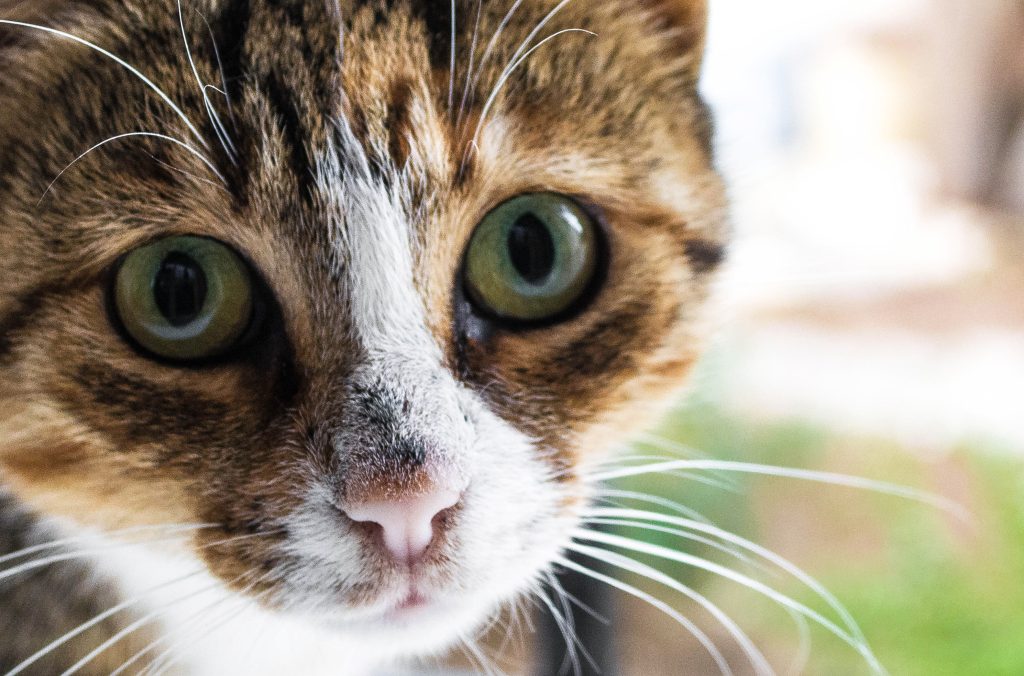
A modern cat food is well balanced in terms of protein and the ten essential amino acids constituting the optimal or ‘ideal’ protein requirements for maintenance and growth. Along with the essential fats and oils delivering the omega-3 fatty acids and lipids for energy as typical of a carnivorous diet we must include vitamins and minerals in commercial diets for the companion feline sector.
Vitamins of course can be divided into the water-soluble vitamins and the fat soluble vitamins A, E, D and K. The water-soluble vitamins for cats are the important B-vitamins that work synergistically as co-factors for a myriad of enzymes involved in intermediatory metabolism within animal cells making up tissues and organs. We have discussed some of these previously for both dogs and cats. As individual key vitamins, each have a specific function.
The metabolic role of niacin in animals, including cats, is essential for various physiological processes. Niacin functions as a precursor to coenzymes nicotinamide adenine dinucleotide (NAD) and nicotinamide adenine dinucleotide phosphate (NADP), which play critical roles in cellular metabolism. Niacin, also known as vitamin B3, is a vital vitamin nutrient for cats, playing a crucial role in various physiological processes that contribute to overall health and wellbeing. It is vital for the proper functioning of the immune system, metabolism, and the maintenance of healthy skin and coat. Here, I critically review the nutritional requirements of niacin for cats and its importance in their health and relation to the petfood industry.
Energy Metabolism
Niacin is a key component in the electron transport chain, a crucial process in cellular respiration. NAD and NADP act as coenzymes in redox reactions, facilitating the transfer of electrons and the generation of ATP, the cell’s primary energy currency. Niacin is involved in the metabolism of carbohydrates by participating in glycolysis, the breakdown of glucose to produce energy. It helps convert pyruvate into acetyl-CoA, a crucial step in the TCA (tricarboxylic acid) cycle. Niacin is essential for lipid metabolism, playing a role in the synthesis and breakdown of fatty acids. It contributes to the formation of NADPH, which is critical for fatty acid biosynthesis and lipid storage. It is also involved in the metabolism of amino acids, serving as a cofactor for enzymes involved in protein synthesis and degradation. NADPH, derived from niacin, is crucial for cellular detoxification processes, including the reduction of reactive oxygen species (ROS) and the regeneration of antioxidant molecules.
Nutritional Requirements of Niacin for Cats
Cats are obligate carnivores, meaning their diet primarily consists of meat. Unlike some other animals, cats cannot efficiently convert tryptophan (an amino acid) into niacin. As a result, they have a higher dietary requirement for preformed niacin compared to many other species.
The National Research Council (NRC) recommends a daily intake of around 12.5 mg of niacin per kilogram of dry matter for adult cats. The Association of American Feed Control Officials (AAFCO) recommends a minimum of 40 mg niacin per kilogram of cat food on a dry matter basis.
Niacin is essential for the metabolism of proteins, fats, and carbohydrates. It plays a key role in converting food into energy, contributing to the overall metabolic health of cats. Niacin is crucial for the proper functioning of the immune system. It supports the production and function of immune cells, helping cats to defend against infections and diseases.
Deficiencies in Cats
Niacin deficiency in cats can lead to various health issues, including Poor Growth. Kittens may experience stunted growth and development. Dermatitis – Skin problems, such as lesions and inflammation, can occur. Digestive Issues – Niacin deficiency can affect the digestive system, leading to diarrhoea and other gastrointestinal problems. Neurological Issues – severe niacin deficiency can result in neurological symptoms. It is of paramount importance that cats are fed animal rich diets and the growing fad for higher inclusion of plant based ingredients must be very carefully assessed and cautioned.
Foods Rich in Niacin for Cats
Since cats are obligate carnivores, meat is a primary source of niacin in their diet. Chicken, turkey, beef, and fish are all good choices. Liver and other organ meats are rich in niacin. These should be included in a cat’s diet in moderation to provide essential nutrients. High-quality commercial cat foods are formulated to meet the nutritional needs of cats, including niacin. It is imperative to always choose well-balanced, complete cat foods as part of nutritional management.
In summary, niacin is a vital nutrient for cats, and meeting their dietary requirements is crucial for overall health, immune function, and metabolism. Providing a balanced diet with appropriate amounts of meat and organ meats, or feeding high-quality commercial cat food, is essential for preventing niacin as well as other B-Vitamin deficiencies in cats. Regular veterinary check-ups can help ensure that your cat’s nutritional needs are being met and any potential issues are addressed promptly for early action.
This Editorial was published in the February 2024 Edition of International Petfood Magazine.