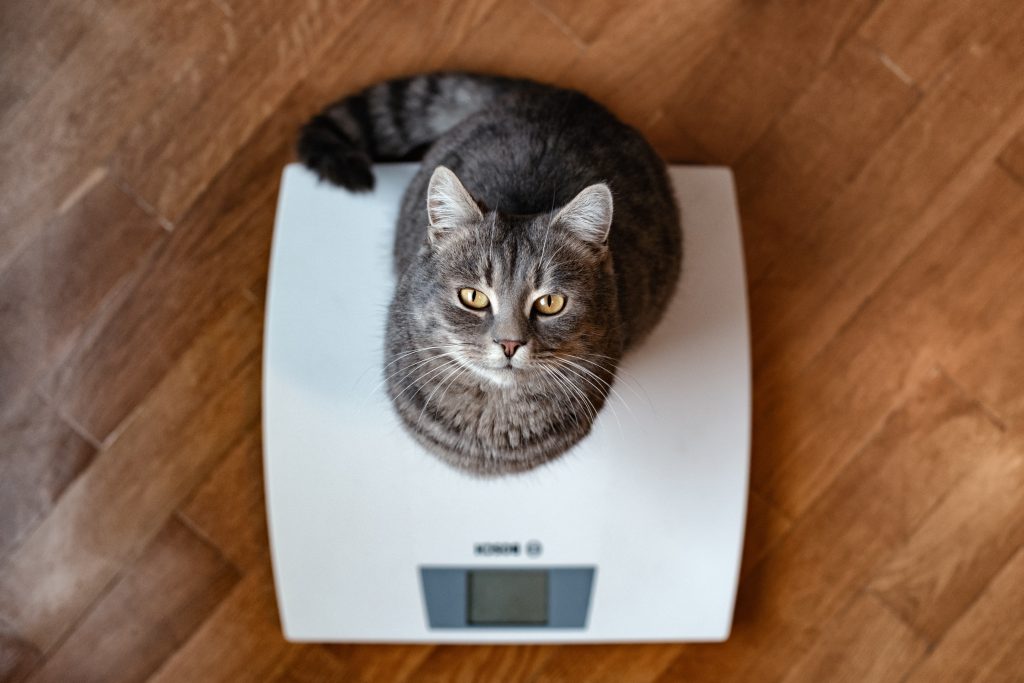
February 14, 2025 – Nearly two-thirds of America’s dogs and cats are overweight or obese, putting them at increased risk for serious health problems like diabetes, heart disease and joint issues. To combat this growing crisis, Hill’s Pet Nutrition and the Association for Pet Obesity Prevention (APOP) are combining their expertise in pet nutrition, veterinary medicine and pet parent education to empower and encourage a supportive environment for achieving and maintaining healthy weight in pets.
“While conversations about a pet’s weight can be sensitive, they are crucial for ensuring the long-term health and well-being of our patients,” said Dr Karen Shenoy, US Chief Veterinary Officer for Hill’s Pet Nutrition. “This collaboration will equip veterinary teams with the tools and information they need to guide these discussions effectively, creating a supportive environment for pet parents and, ultimately, helping pets live healthier, happier lives.”
Empowering pet parents
It can be difficult for pet parents to acknowledge when their pet is carrying extra weight. A 2023 APOP study revealed that only 28% of cat owners and 17% of dog owners recognised their pets as overweight. A key element of the Hill’s-APOP collaboration is support for APOP’s annual weight and nutritional management survey. This research will provide crucial data on pet parent perceptions and behaviours, informing strategies to improve communication between veterinarians and pet parents and boost compliance with weight management plans. This will include prioritising resources to help pet parents accurately take proactive steps towards weight management.
“We are proud to collaborate with Hill’s as we work together to advance research on understanding pet obesity bias and promoting evidence-based treatments for obesity,” said Dr Ernie Ward, Founder of the Association for Pet Obesity Prevention. “Hill’s has been a leader in advancing pet health through innovative nutrition and research, and their commitment to addressing the complex communication challenges of pet obesity is truly commendable.”
Recognising and addressing bias in care
Implicit biases – unconscious attitudes or stereotypes – can affect decisions related to client communication, physical exam thoroughness, diagnostic and treatment choices and specialist referrals. Later this year, in a second study, Hill’s and APOP will collaborate on research that aims to explore how these types of biases manifest in veterinary practice when treating overweight pets.
“Recognising potential bias is crucial for equitable, high-quality care, especially when addressing a pet’s weight,” said Dr Leslie Hancock, Chief Medical Officer at Hill’s Pet Nutrition. “Understanding these biases, alongside proper nutrition, can help us mitigate their impact and improve patient well-being. A balanced, appropriate diet plays a key role in achieving and maintaining a healthy weight, and we must ensure our recommendations are free from unintended bias.”
End Pet Obesity
This announcement coincides with Hill’s annual ‘End Pet Obesity’ campaign, which focuses on collaborating with veterinary professionals to help pet parents achieve a healthy weight for their pets.
To make those weight conversations with patients more positive, Hill’s offers support tools to clinics, like weight scale mats, body condition score and body fat index charts, care plans and micro learning courses.
For more information, visit HERE.