by Randy Skyba, Vice President of Sales & Marketing at Due North – Reimagine Retail Refrigeration.
The emergence of millennials as the dominant purchasing generation has ushered in the modern era of pet retail. Today, millennials fondly tout themselves as ‘pet parents’ rather than ‘pet owners’, regarding pets as cherished family members rather than mere house companions. This shift has catalysed the development of new products and solutions to promote animal health and wellness.
Innovations in canine food
Specific to dogs, innovation has found its way into a range of offerings, including toys and accessories, health insurance, and even pet spas and hotels. Most notably, the canine food and drinks business has benefitted from this revolution, attributable to the major role it plays on pet health and longevity. Whereas traditionally dog food only came in a handful of choices (wet or dry, for big breeds or small breeds, or for puppies or adult dogs), modern dog nutrition concerns itself with breeds, needs, and even owners’ personal priorities.
Today, a trip to the pet store goes beyond choosing between dry kibble brands or treat flavours. It means making choiceful selections based on a dog’s breed, and then afterwards based on demographic factors, specific needs, and lastly any alignment on personal values of owners. To eliminate guesswork and aid owners in their selections, more specific and meticulous dog diets have arisen. Though intricately different, modern dog diets share one feature; the emphasis on fresh and unprocessed food items. In upholding this, one crucial element often goes unnoticed; refrigeration.
Refrigeration in pet retail
Without question, refrigeration’s biggest contribution to modern pet retail is freshness preservation. Whereas traditionally only prescribed dog food required refrigeration, today’s dog diets promote the inclusion of raw meat, fresh produce, and other unprocessed food items in everyday meals. This new phenomenon highlights how canine food retail has grown in terms of breadth of choices and evolved from merely having a few rows in an aisle to commanding a larger space in a store.
Freshness and safety
Preserving freshness seems an easy task for refrigerators as it basically requires what these machines are made for; cooling. What sets modern retail refrigerators apart, however, are their capabilities in ensuring that this function is delivered uncompromisingly. High quality refrigerators use temperature control systems that monitor and maintain a consistent internal temperature, guaranteeing optimal storage and protection against fluctuations.
Beyond temperature control, modern refrigerators have features that protect customers from purchasing potentially compromised products. These appliances are equipped with internal locks that prevent access when a certain pre-set temperature is reached, with battery back-ups that ensure this function is executed despite power loss. This is especially useful when retail stores experience relatively long power fluctuations or outages, resulting in temperature drops that can severely expose contents to bacteria and spoilage.
Display and storage
Modern refrigerators are no longer the stocky behemoths that pet stores relegate to farther and less visible spots in the establishment. Aside from their usefulness in housing now high-demand products, these appliances are simultaneously sleek, functional, and even customisable to cater to specific product or store requirements.
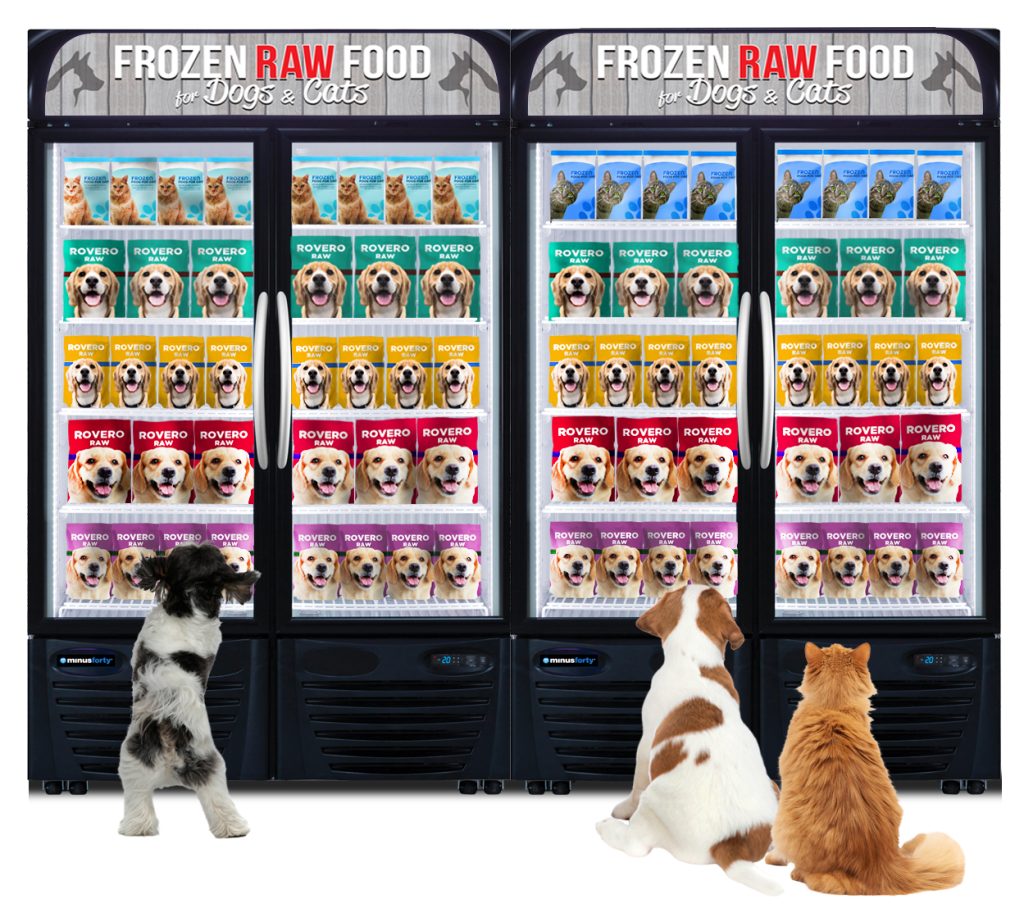
Nowadays, choices are plentiful in terms of displaying pet merchandise. They can be single-door or multi-door; single-door for limited quantity and specialty items such as pet supplements or medicine, or multi-door for bulk products or products that come in many flavours such as fresh pet food. These merchandisers can also be open-air merchandisers, conveniently allowing consumers to grab a product, such as a pup cup, and then go.
Additionally, pet food refrigerators and freezers can be tailored to meet specific needs, making them ideal for retailers with unique size requirements or those looking to integrate additional technologies or features. For instance, a refrigerator stocked with a range of fresh food options could include an interactive digital display. This display can assist consumers by offering recommendations based on their pets’ breed, age, or health concern, guiding them through the available products inside the merchandiser.
Sales and operations
A testament to the modernisation of refrigeration is its integration of smart technology, which significantly impacts store sales and operations. Remote monitoring, temperature control, and access management are just a few examples of this innovation’s benefits. Beyond these, smart technology leverages data gathered by merchandisers, demonstrating capabilities that transcend storing and cooling.
One example of this is the development of planograms. Smart refrigerators can use weight-based sensors to identify which pet products are selling quickly and which are not. This valuable information helps retailers make informed decisions on how to address these issues through various strategies, such as merchandising, sales and promotions, and inventory management.
- Merchandising: to optimise sell-through, retailers can relocate slow-selling products to a more prominent section of the merchandiser
- Sales and Promotions: bundling popular items with slow-moving products can encourage customers to try the less popular items
- Inventory: understanding the purchase rate of products helps retailers decide on order quantities, reducing both cost pressures and storage challenges
Catering to BARF diet
Numerous dog diets have emerged in the market, each offering unique benefits tailored to different canine needs and owner preferences. The Whole Prey diet aims to replicate a dog’s natural, wild diet by including whole animals – meat, bones, and organs. The Kibble Plus diet offers a balance of convenience and nutrition by combining traditional kibble with fresh, whole foods. Additionally, the Grain-Free diet avoids ingredients like wheat, corn, and soy, opting for alternative carbohydrates such as sweet potatoes. Among these, the most popular is the BARF diet, which is favoured for its focus on natural, raw ingredients that many dog owners believe offer superior health benefits while closely resembling a dog’s ancestral diet.
‘BARF’ is an acronym that can mean two things when referring to canine diets: ‘Biologically Appropriate Raw Food’ or ‘Bones and Raw Food’. Essentially, enrolling a dog on this diet means feeding food as they would be found in the wild; raw. This diet is primarily made up of fresh produce, bones, whole grains, and vitamins and supplements.
Storage Conditions
The ingredients for the BARF diet require specific storage temperatures:
- Raw Meats and Bones: need to be kept at the lowest temperatures, ideally between 32 to 39.2°F, or even lower if frozen (-20°F); storing at such temperatures prevents bacterial growth
- Fruits and Vegetables: have different required temperatures; leafy greens and berries should be kept between 32 to 39.2°F, root vegetables can be stored between 39.2 to 50°F, while tropical fruits should be kept above 50°F to avoid chilling injury
- Whole Grains & Vitamins and Supplements: have the warmest ideal temperatures, requiring temperatures 50°F and above
For pet retailers, maintaining the correct freezer temperatures is essential for the proper storage and quality assurance of raw meat and bones in the BARF diet. While fresh meats can be displayed in refrigerated cases at temperatures between 32 to 39.2°F, keeping these products frozen at -20°F or lower is critical for long-term storage. This practice not only prevents the growth of harmful bacteria and parasites but also preserves the nutritional value and freshness of ingredients. Ensuring that freezers are set to the appropriate temperatures and regularly monitored helps in avoiding spoilage and maintaining the highest standards of food safety, thereby meeting the needs of health-conscious owners for their pets.
To accommodate dog owners who follow the BARF diet, it’s important to make shopping as seamless and convenient as possible. While managing the different storage requirements can be challenging, strategically organising these items together can be highly beneficial. Modern refrigeration technologies and features have made accomplishing this task increasingly feasible.
Customisable Merchandisers
Investing in customised merchandisers can be a rewarding strategy from both merchandising and operational perspectives. Raw and fresh food items often come in plain packaging, making them easy for shoppers to overlook. Customised merchandisers can counteract this by being eye-catching and vibrant. When strategically placed in a section dedicated to BARF ingredients, these units can effectively draw attention and guide consumers toward specific products.
Smart Technology
BARF diets can seem complex compared to more straightforward diets, such as the Grain-Free or Kibble Plus diet. For retailers, however, BARF diet supporters can significantly boost store sales due to the variety of discrete items needed to prepare a full meal. To help consumers navigate BARF dieting, merchandisers can be enhanced with smart technology, which includes informative and interactive displays. These displays can provide step-by-step guidance to interested buyers, tailored to their dog’s breed, age, and size. The result is a specific shopping list, with the necessary items conveniently located inside the merchandiser.
Conclusion
As pet owners become more dedicated and attentive to their pets’ needs, diet has become an important focus. This growing interest in fresh and unprocessed foods is driving demand in the market, highlighting the need for advanced refrigeration technology. Popular dog diets, like the BARF diet, rely on technological innovations to ensure freshness and safety while providing a seamless shopping experience for pet owners.