The Pet Food Institute (PFI) and its members share a commitment to the health and well-being of pets and support research that advances consumer understanding of pet nutrition and safety. However, a study by the Clean Label Project risks misleading cat owners because it lacks important scientific and regulatory context needed to interpret its findings.
In the United States, petfood is among the most highly regulated food products and must meet both federal and state requirements. Petfood manufacturers implement comprehensive food safety and quality assurance programmes that include ingredient specifications, supplier verification, testing protocols, traceability systems and science-based preventive controls designed to ensure products are safe, nutritious and consistent.
The Clean Label Project study evaluates products against a proprietary ‘purity standard’ rather than established regulatory standards or science-based risk assessments. It is unclear whether the research underwent scientific or veterinary review, or how or why the Clean Label Project’s proprietary methodology differs from industry and regulatory body standards. While the authors acknowledge that the substances identified are not intentionally added to cat food and may occur naturally in the environment, the study does not provide the risk-based context necessary to determine whether the reported findings are relevant to cat health or product safety.
Detectable amounts of certain metals are present in the environment and can be found in our air, water and soil. The mere presence of a metal does not indicate harm. As the U.S. Food and Drug Administration (FDA) has noted, whether a metal is harmful depends on multiple factors, including the level and duration of exposure.
Additionally, the Clean Label Project findings are based on a single batch of each product, limiting the conclusions that can be drawn from the results.
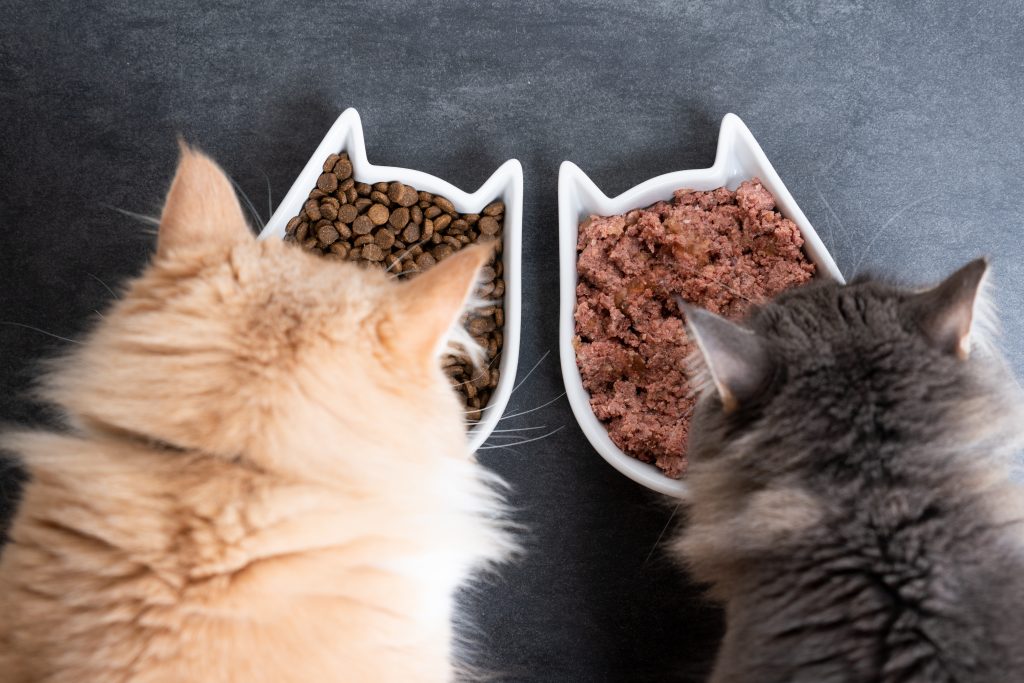
Cat owners should feel confident that the food they feed their pets is safe and produced according to rigorous regulatory and quality standards. Commercial cat foods are formulated to provide complete and balanced nutrition and are manufactured under comprehensive food safety programmes designed to ensure safety, consistency and nutritional quality.
U.S. petfood makers remain committed to continuous improvement, scientific innovation and producing the safest possible products to support the long-term health and well-being of cats and dogs.