Editorial by Prof. Simon Davies
Unquestionably diet plays a crucial role in the overall health and well-being of dogs and cats. In recent years, there has been growing interest in exploring the potential benefits of incorporating spices and herbs into pet food formulations.
My editorial investigates how spices and herbs can improve diet formulations for our canine and feline friends, particularly in terms of enhancing digestive health, promoting longer lives, increasing vitality, and elevating disease prevention and welfare. By analysing scientific research and empirical evidence, I highlight the potential advantages of including spices and herbs in pet diets and provide recommendations for their safe and effective utilisation.
Certain Spices and herbs contain bioactive compounds with anti-inflammatory, antimicrobial, and antioxidant properties, which can positively impact digestive health in dogs and cats. For example, ginger and turmeric can alleviate gastrointestinal distress, reduce inflammation, and improve digestion. Additionally, the antimicrobial and anti-inflammatory properties of certain herbs can alleviate discomfort associated with gastrointestinal issues such as flatulence and constipation, promoting a better sense of well-being. As we increasingly appreciate the functional aspects of the gut microbiome and its systemic associations, herbal and spice feed additives are expected to modulate the microbial ecology of the gut favourably. We know that the commensal bacteria that inhabit the gut epithelial lining (enterocytes) are vitally important in protecting the animal against pathogenic infiltration. Herbal extractions can help stabilize ‘friendly’ bacteria and calm the immune system to promote tolerance.
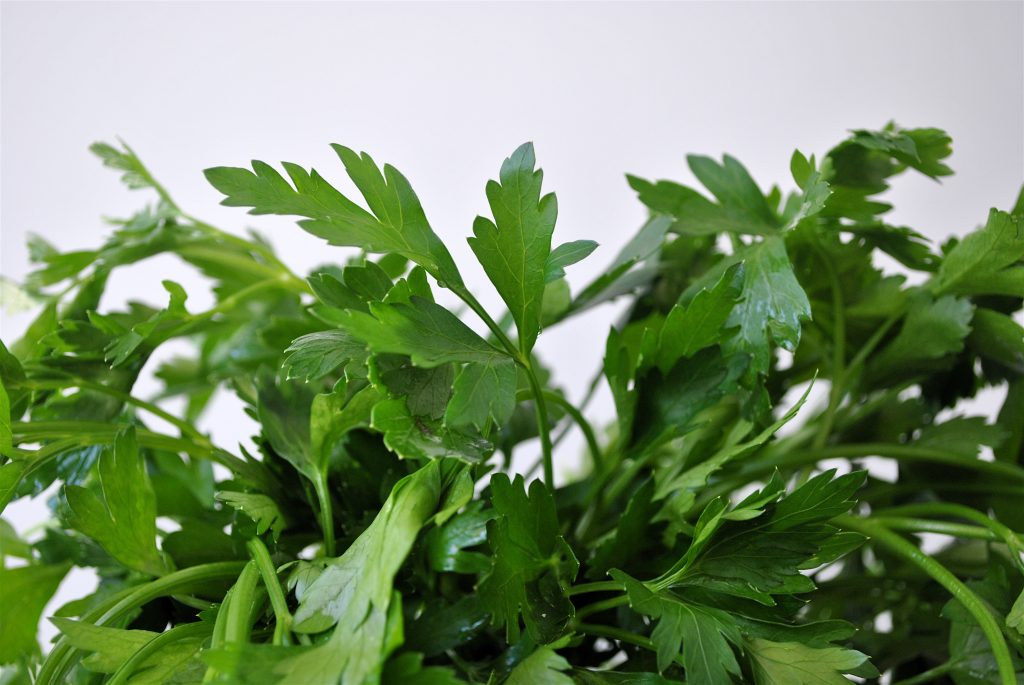
Another example is cinnamon, that has shown promise in regulating blood sugar levels, mitigating diabetes type 2, and supporting healthy weight management. Garlic and oregano, for instance, possess antimicrobial properties that can help combat infections and strengthen the immune system. Furthermore, antioxidant-rich herbs such as rosemary and thyme have been associated with anti-aging effects. For instance, turmeric, due to its active compound curcumin, exhibits anti-mutation properties and may help reduce the risk of certain cancers. Other herbs and plant derived phytobiotics may improve coat quality and even reduce any skin infections and tertiary bacterial, parasite and fungal issues. Similarly, parsley and mint offer natural breath freshening benefits and can aid in maintaining oral health in dogs and cats. By providing a variety of flavours and aromas, these additions can improve palatability, leading to increased food consumption and satisfaction.
While spices and herbs offer potential benefits, it is important to consider several factors for safe and effective utilisation. First, consult with a veterinarian or veterinary nutritionist to ensure the specific needs of individual pets are met. Dosage and appropriate selection of spices and herbs should also be considered, as some may be toxic or unsuitable for certain animals. Moreover, quality control and sourcing of these ingredients are crucial to ensure purity and safety. Traditional pet diets often lack variety and fail to provide the necessary phytochemicals found in spices and herbs, which possess numerous health-promoting properties. This view is changing rapidly with much more innovation and lateral thinking in modern pet foods. As we see more developments in fresh raw foods for dogs that include both meat and vegetables, then spices and herbs can play an additional role for future markets for dry and wet diets.
However, further research is needed to determine optimal dosage, specific benefits, and any potential risks associated with individual spices and herbs. By carefully formulating pet diets, considering individual needs, and prioritising safety, pet owners and professionals can leverage the potential benefits of these natural additives to support the overall health, lifespan, and well-being of companion animals. With further research and understanding, the integration of spices and herbs into pet food formulations can contribute to healthier and happier lives for our beloved companions.
Next time you reach for the spice rack, think beyond the curry and casserole dish and what you can do for your pets?
This Editorial was published in the August 2023 Edition of International Petfood Magazine.