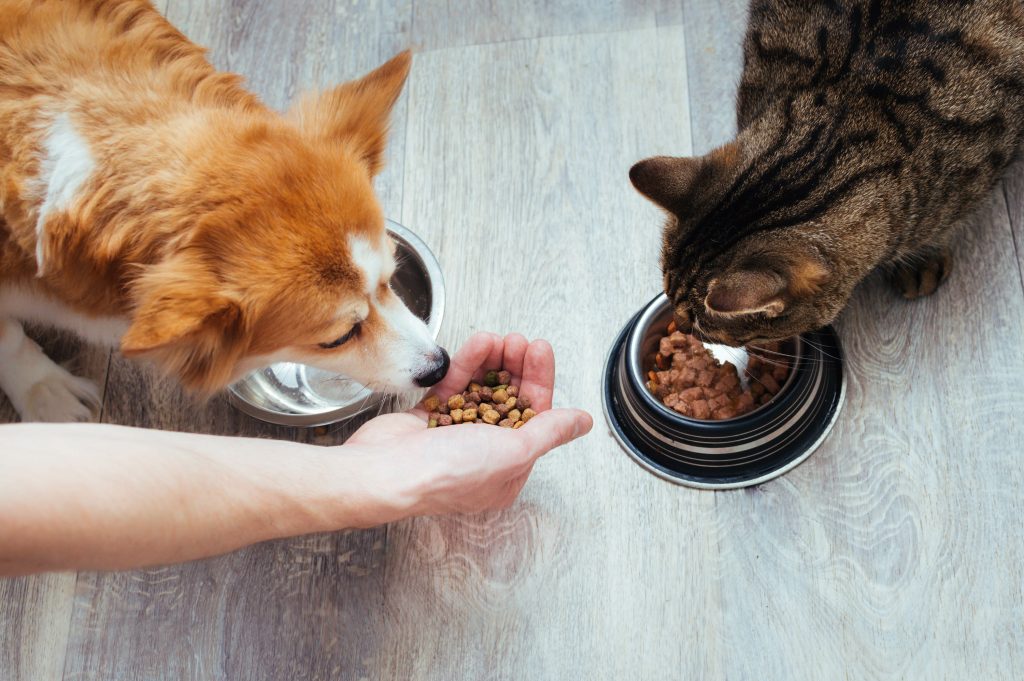
A new study by researchers from the University of Sussex and the University of Exeter has identified microplastics in a majority of commercially prepared petfood products tested, raising concerns about contamination within the sector.
Researchers detected microplastics in 16 of the 19 petfood brands analysed, meaning more than 75 percent of the products examined contained small plastic particles. The contamination was found across a range of brands, including widely recognised products.
The study also found differences between wet and dry petfood formulations. While dry foods generally contained higher concentrations of microplastics, wet foods could result in greater overall daily intake because pets typically consume larger quantities to meet their energy requirements.
According to the findings, value-range products contained higher levels of contamination than premium alternatives, although microplastics were detected across multiple product categories.
Researchers also highlighted the potential environmental implications of the issue, suggesting that companion animals may contribute to the spread of plastic pollution through their waste, with possible impacts on wildlife and ecosystems.
The scientists have called for regulatory authorities to require testing of processed petfood products for microplastic contamination, similar to existing controls covering other food contaminants. The source of the contamination remains uncertain, with further research needed to determine whether it originates from ingredients, packaging materials or manufacturing processes.
The study also noted that pet owners may be able to reduce potential exposure by choosing products packaged in non-plastic materials, using stainless steel or ceramic feeding bowls and filtering drinking water.