The United States remained China’s top petfood exporter in 2024, holding over 69% of the import market during the year’s first 10 months, according to a US Department of Agriculture report. China’s petfood market reached £17.8 billion ($22.2 billion), growing 9.2% year-over-year.
However, total petfood imports fell 17% to £341.8 million ($427.24 million), reflecting increased domestic production and shifting post-pandemic consumer behaviour. China now has 200 certified manufacturers with a capacity of 1.12 million tonnes. Local brands are expanding, especially in cat food and snacks.
From 2013 to 2024, China’s petfood market recorded a 22.4% compound annual growth rate. Despite this, market penetration remains around 20%, compared to over 90% in Western countries.
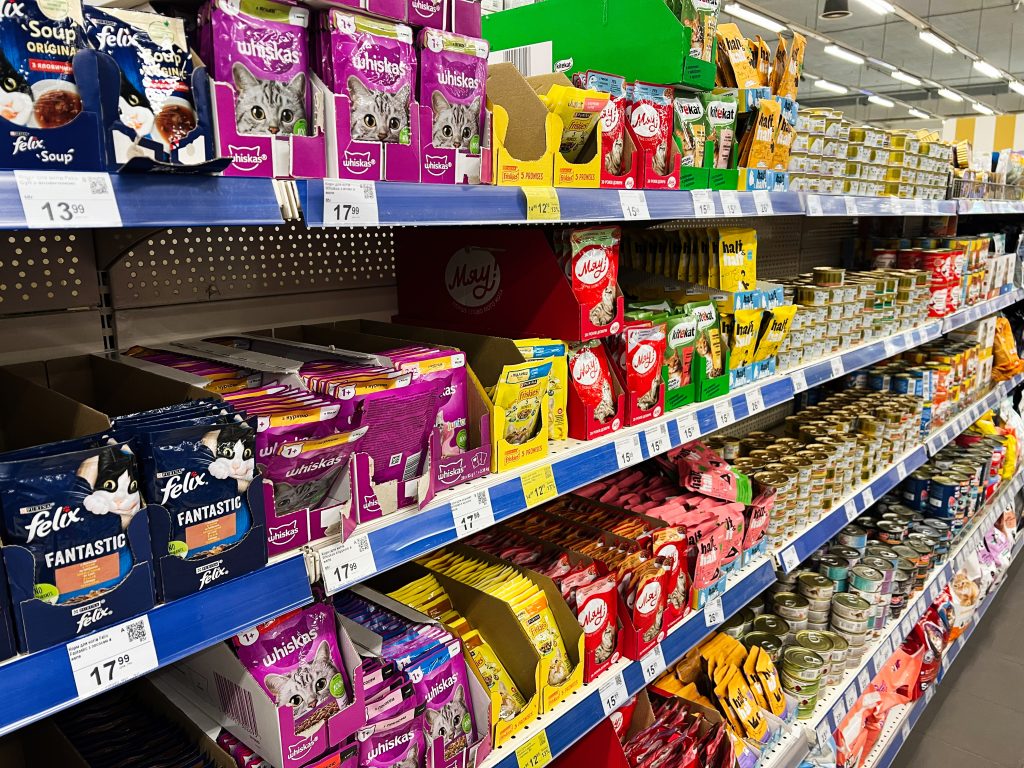
Pet ownership reached 124.1 million in 2024, including 71.5 million cats and 52.6 million dogs. Cat ownership is growing faster, driven by urban lifestyles and limited living space. Cat food sales rose 7.6% to £7.8 billion ($9.8 billion); dog food increased 3.9% to £8.2 billion ($10.3 billion).
Spending per pet rose to £329 ($411) for dogs and £225 ($281) for cats. Younger generations, especially those born after 1990, continue to drive demand for premium products. E-commerce platforms like JD.com, Taobao/Tmall, and TikTok lead in petfood sales.
US petfood exports to China reached £189.5 million ($236.9 million) in the first nine months of 2024, up 9% from the previous year. Baked, freeze-dried, and fresh foods saw rising interest from Chinese consumers.
Regionally, East China leads in consumption, while West and South China show emerging demand. North China remains a major production hub. The market is split between high-end and low-cost segments, with some consumers trading up and others seeking improved low-price options.
Although US products lead, continued success will depend on aligning with evolving Chinese preferences as local brands gain strength.