Two topics in this issue which spark my interest is the waste processing and pet treats. Starting with the waste processing, there are many ways to process waste. Animal and marine matter into a usable ingredient. Many are simply dried such as meat and bone meals or fishmeals. Obviously, these can be the whole animal or waste portions being processed. How they are dried can be useful information. If dried at high temperatures the proteins are altered, they don’t disappear, but these changes can have an effect of the further downstream processing. Denatured proteins, ones that have been heated and cooked, like a fried egg, have their functionality removed. Can’t take a fried egg and now make it look like scrambled eggs. Simply stated a low heat dried fishmeal and a higher protein dispersibility index soybean meal for examples will give some binding or cross linking when extruded. When extruding a by-product to create an ingredient the process tends to be on the lower heat side and thus good quality ingredients can be constructed which have some binding characteristics. Important if you are pushing the limit on wanting to reduce starch in the process, not always the case but worth mentioning.
Some of these wet by products are hydrolysed with acids and others to stabilise them so as they can be shipped and then pumped and metered into a petfood process. The pre-processing with dry grains and protein meals offers a method to achieve the same and have a dry ingredient for including in the mixing system. In either case it is important to watch the water. Making an ingredient or finished product with a wet stream of material being mixed into a dry mix required the liquid portion to have an exacting moisture content over time. If the moisture of the liquid stream is not stable than the actual process or energy input can change in the extruder giving a product that is not equally cooked or processed over time. If moisture changes to much then the energy from friction development will change and the product will change. Therefore, it is not unusual to have a tank where moisture is measured and equalised to an exact amount and mixed before pumping into the process.
This topic is one where the effect is making a petfood that is extremely palatable to the pets. Historic data showed that when meat and fat were injected into the extrusion process the palatability of the product went out the roof as in 10 to 12 times more palatable than low level meat and fat inclusion.
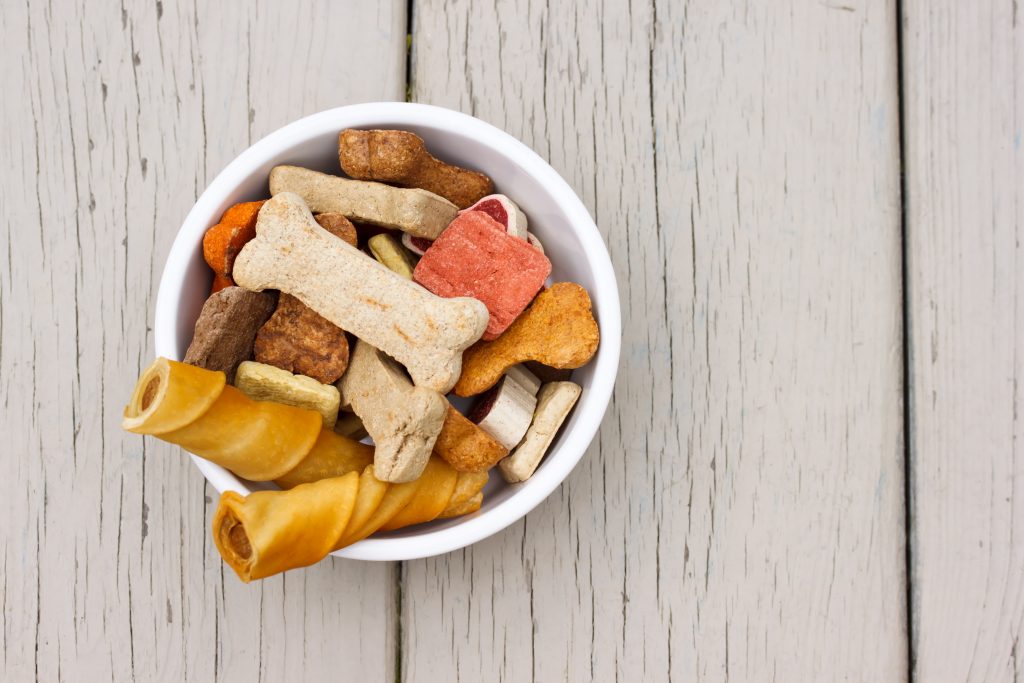
Pet treats, we will need to review more but the area of making semi moist treats as well as kibble requires use of ingredients to control the water activity which should be mentioned. These products usually have elevated moisture levels and thus prone to spoilage. To avoid this water loving ingredients, Ph modification and mold inhibitors are used. Water loving ingredients such as proplyene glycol or glycerine are examples. Phosphoric acid to lower the pH and potassium sorbate are examples of ingredients to allow for high moisture feeds to have a shelf life of up to one year.
See you next month and any questions or topics to cover in this area are welcome!