by Oscar Diez, Project Manager, ConsultPET Representação Comercial Ltda, Brazil
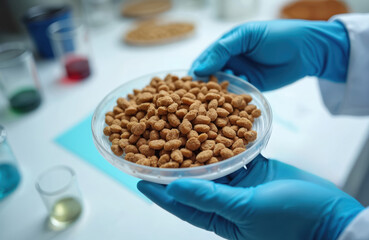
Cleaning, hygiene and sanitisation throughout the production process are decisive factors for ensuring the safety, quality and integrity of animal feed. In feed mills, whether producing extruded, pelleted, mash feed, premixes or any type of animal feed, every stage, from truck entry and raw-material reception to final bagging, contains critical points where residues, dust, moisture, retained material and handling failures can generate cross-contamination, microbial proliferation, nutritional loss and sanitary risks for different species.
Equipment such as mixers, grinders, extruders, pellet mills, elevators, dryers, coolers, coating systems, conveyors and silos are among the most vulnerable points in a feed mill due to dead zones, material buildup and conditions that favour microbiological growth. Identifying where contamination occurs, why it happens and how to control it is essential to maintain quality standards, avoid production losses and reduce food-safety and regulatory risks.
A common misconception is that sanitation risks are resolved through the use of a feed cleaner. While feed cleaners remove coarse impurities and improve physical quality, they do not eliminate pathogens, mycotoxins, residues, dust-borne contamination or cross-contamination between batches. Even visually clean raw materials pass through multiple pieces of equipment where dust, moisture, residues and pests can accumulate, creating contamination hotspots. Plant-based ingredients may already contain invisible fungi, toxins or bacteria, and physical cleaning alone cannot address these risks.
This article outlines the main processing stages in a feed mill, identifying critical contamination points and the essential hygiene controls required at each stage.
Hygienisation of trucks at entry
The spraying of disinfectant on truck tires is only a partial biosafety barrier in feed mills. Although it helps reduce coarse dirt, it does not prevent the entry of the main contaminants that may be hidden inside the truck bed, tarps, dead corners and cargo boxes, which can bring contaminated dust, salmonella, fungi and organic matter. The driver is also a vector, since clothing, shoes and tools can carry contaminants.
The application time and contact exposure of the disinfectant spray on the truck is too short to eliminate pathogens. Dirty tires with mud or faeces significantly reduce the action of the disinfectant. It is important to remember that the spray does not reach axles, fenders, suspension components, or internal parts of the vehicle. In summary, disinfectant tire spraying helps, but it does not guarantee biosafety.
Raw material reception
In this process, we have the raw material reception pit, the area where materials fall and may spread on the floor, bucket elevators, unloading hoppers, Redler conveyors and the feed cleaner. Raw materials arriving from external trucks bring dirt, moisture, pests and hoppers often accumulate spills. Typical signs include grains with odour, mould and the presence of insects or larvae. There is usually excessive dust in the area and variable moisture readings.
A possible immediate correction would be to re-inspect the lot, remove and/or discard contaminated batches, clean and disinfect the hoppers, and apply pest control. As prevention, it is recommended to check temperature and moisture at reception, perform rapid quality sampling, maintain a pest exclusion program, use washable ramps with proper drainage and train operators.
Internal and external storage silos
This is a highly vulnerable point due to dead zones where raw materials compact, stuck valves that retain old product and risks of self-heating and moisture variation, even with aeration and temperature sensors. Warning signs include reduced flow, hot spots, dust buildup on silo walls, fermentation odours and missing or faulty level sensors.
Control measures include periodic emptying and internal cleaning, inspection and replacement of damaged valves, use of appropriate disinfectants when required and strict rodent control, as rodents spread pathogens throughout the facility. Scheduled internal inspections, functional level sensors, batch-based cleaning and stock rotation using FIFO (First In, First Out) principles are recommended.
Grinding and re-grinding
This process is highly vulnerable and almost always the common point where many feed mills receive complaints, because mills generate a lot of dust. Screens, sieves and filter bags accumulate fines. Often heat and friction can cause caramelisation and residues. It is easy to observe dust around the hammer mill, an excessive increase in fine particles spread throughout the area, unusual noises and a rise in equipment temperature.
It is recommended to shut down and clean the hammer mill’s centrifugal fan (exhauster) and cyclone, replace damaged screens, replace worn hammers and change filter bags rather than trying to ‘clean’ them. Scheduled maintenance is essential as prevention, along with sealing ejection points, an aspiration system with filters and a cleaning routine between sensitive batches.
Dosing, weighing and microdosing
Where small quantities are handled, such as vitamins and premixes, poor distribution can have a disproportionate impact on feed quality. Microdosing hoppers are particularly prone to product retention. When silos are changed frequently between different raw materials, residues can accumulate, especially in hoppers and weighing vessels.
Regular calibration of scales and verification of load cell performance are essential. In some mills, significant quantities of raw material can remain adhered to scale edges for years due to a lack of routine cleaning. Accumulations of up to 30kg have been observed in extreme cases, leading to nutrient variability, erratic dosing and contamination of weight sensors.
To minimise these risks, hoppers and microdosing channels should be sanitised regularly. Scales should be recalibrated and gate seals inspected to ensure proper closure and prevent dust escape.
Mixing as a critical control point
Like the grinding and re-grinding area, mixing is a critical contamination point because product is retained on paddles, shafts, gates, corners and even at the discharge. Residual material from previous batches can contaminate new feed, making mixers one of the highest-risk areas for cross-contamination. The risk increases significantly when a single mixer is used to produce extruded, pelleted and mash feed and even more so when it prepares feed for multiple species such as cattle, breeder poultry, ruminants and shrimp. Cost-saving measures at this stage often result in higher long-term losses.
Indicators of poor cleaning include visible feed residues, high coefficients of variation indicating poor homogeneity, compacted dust and unpleasant odours. When detected, the mixer should be disassembled and thoroughly cleaned, with particular attention to identified retention points. A structured cleaning programme between product batches is essential, supported by visual inspection using lights or mirrors, routine sampling to verify homogeneity and regular inspection and maintenance of seals and gaskets.
Where molasses, oil or other viscous liquids are applied, cleaning frequency must be increased due to rapid residue build-up. Cleaning procedures for liquid application nozzles are addressed in the coating section.
Extrusion, pelleting and pre-conditioners
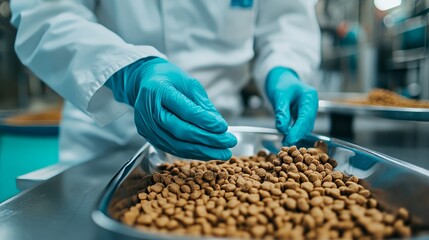
Although heat reduces microorganisms, hoppers, feeders and pre-thermal zones remain contamination risks. In petfood extrusion using fresh meat, sanitation becomes critical, as meat is injected frozen or at low temperatures and stainless-steel piping, pumps and pre-conditioners rapidly accumulate residue. These systems must be cleaned and sanitised continuously, with no material left behind in pre-conditioners or extruder barrels. Because extrusion and pelleting involve steam, friction and high temperatures, daily cleaning is essential for both extruders and pelletisers.
This is particularly important for fish and shrimp feed, as aquatic species have fragile immune systems and contamination spreads rapidly in water. In pelleted feed, material can accumulate in dies and obstruct cutting points. Recommended controls include cleaning hoppers and feeders, sanitising inlets, cleaning or replacing worn dies, maintaining correct conditioning parameters and conducting microbiological monitoring after processing.
Drying, cooling and sieving
Coolers, condensation points, fans and filters accumulate moist dust and fines, allowing contamination to be reintroduced after heat processing. Variations in moisture encourage mould growth, while fines generated post-cooling increase risk. Regular cleaning of ducts, trays and filters, insulation repairs to prevent condensation and a documented cleaning and maintenance schedule for coolers and sieves are essential.
Oil application and coating
Oil tanks and coating systems create favourable conditions for rancidity and microbial growth. Retention points form in clogged nozzles, filters and tanks, leading to rancid odours, phase separation and contaminated samples. Tanks should be drained and cleaned regularly, oil filtered before use, filters replaced as needed and spray nozzles sanitised daily, especially when handling viscous liquids.
Bagging, palletising and shipping
Final handling remains a critical control point. Dirty packaging, contaminated pallets and cross-traffic with external areas increase risk, particularly where dust, damp or damaged bags, insects or rodents are present. Effective controls include cleaning these areas, inspecting packaging integrity, rejecting suspect materials, implementing pest control programmes and enforcing controlled access, sanitation schedules and PPE (Personal Protective Equipment) protocols.
Final control measures
Routine visual inspections using lamps or mirrors in hard-to-reach areas, such as silos, mixers and conveyors, are essential. High-risk components include mixer paddles, coating nozzles and filters, all of which require frequent cleaning or replacement based on documented service life. Monitoring moisture and temperature at vulnerable points further reduces risk. In feed production, hygiene and sanitation protect not only product quality, but animal health and welfare.